

Can Antibiotics Cure a Tooth Infection Without a Root Canal?
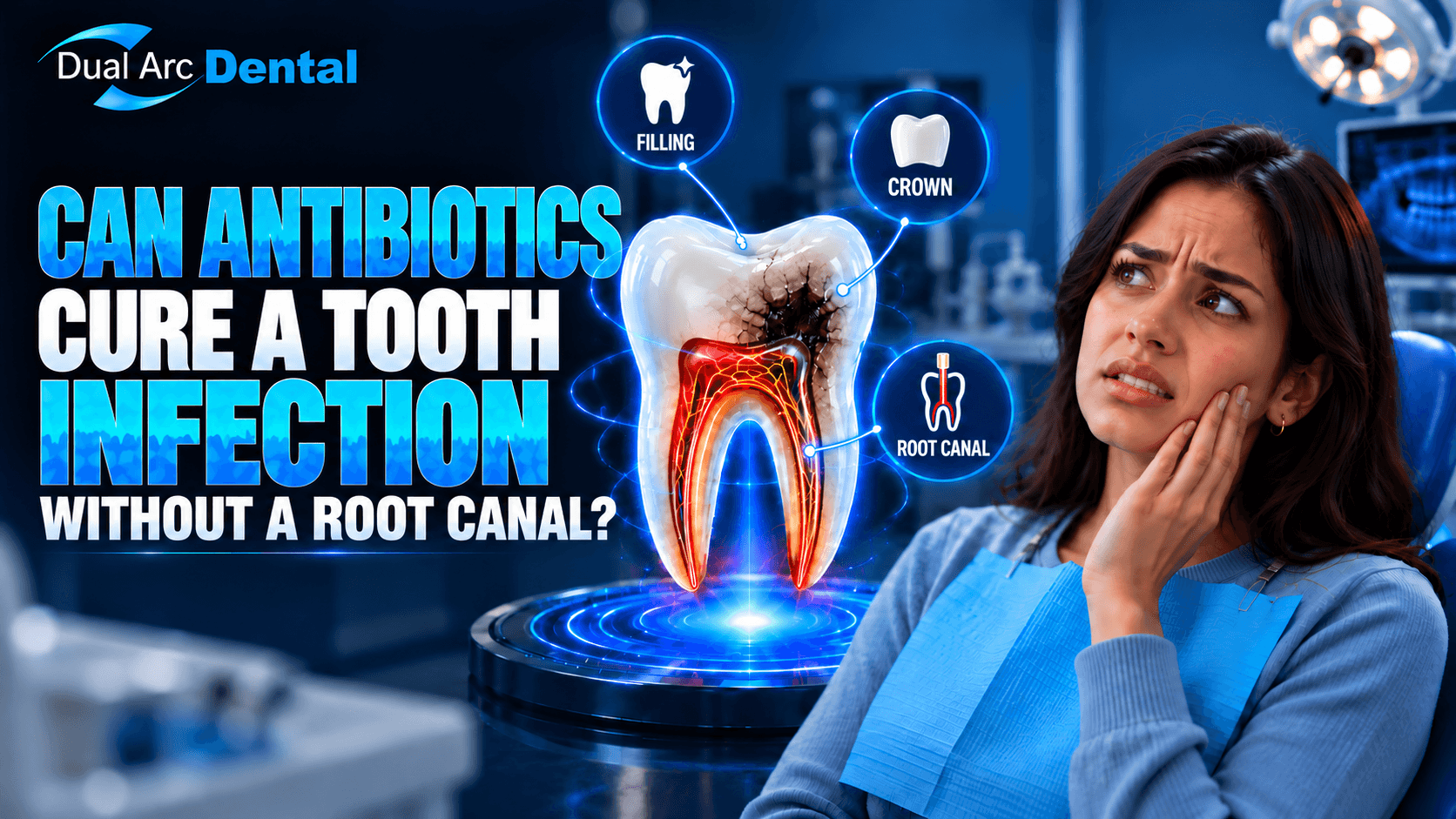
Antibiotics do not necessarily eliminate the underlying cause of a tooth infection. What treatment is appropriate depends on where the problem originates, how the tooth has been affected, and what a dental examination shows. If you are wondering whether you need a root canal in Schertz TX, the first step is determining what is actually happening inside and around the tooth.
Why Is This Question So Common?
The logic makes sense: If there is an infection causing the issue, then shouldn't a medication cure the issue?
That's not always the case when it comes to dental issues. Decay, damage to the inside of a tooth or gums, or other dental problems can be associated with an infection or inflammation. Sometimes a dentist may use medication as a part of the treatment for certain infections, but this is not necessarily to fix the dental problem that allowed the infection to occur.
This is why it is important to find the source first before reaching a decision about the treatment a tooth requires.
What Is the Difference Between Managing an Infection and Treating Its Source?
Control of an infection and the dental source are two separate aspects of treatment.
A simple way to think about it is:
- Dental problem
- Source remains
- Symptoms may change
- Source still requires assessment
A tooth may be severely decayed or damaged, affecting deeper tissues. Even if swelling, discomfort, or other symptoms improve, the physical problem within the tooth may still be present.
A dentist therefore looks beyond how the tooth feels on a particular day. The examination may include checking the tooth, nearby gums and surrounding structures to understand where the problem began and whether the tooth itself requires treatment.
Why Doesn't Feeling Better Always Mean the Tooth Is Better?
Changes can occur over time in dental symptoms. The pain may fade, go away for a while, or return at a later time when the tooth appears to be fine.
This may give the impression that the initial issue has been addressed.
For instance, alterations to the nerve or tissue within a tooth do not necessarily cause continuous pain. The way a tooth feels also cannot tell you everything about its internal condition.
If you have previously experienced significant tooth pain, swelling, tenderness or another concerning symptom, improvement alone is not a reliable substitute for a dental assessment.
When Does a Root Canal Enter the Conversation?
Root canal treatment may be considered when the tissues inside a tooth have been significantly affected and the dentist determines that treating the inside of the tooth is appropriate.
At a high level, the purpose is to address affected tissue within the tooth, clean the internal space and help preserve the natural tooth when clinically suitable.
Whether someone needs a root canal in Schertz TX cannot be determined from symptoms alone. A dentist may consider several factors, including the tooth's condition, the extent of decay or damage, symptoms, examination findings and diagnostic imaging when appropriate.
The goal is not simply to stop pain. It is to understand and treat the underlying dental problem.
Does Every Tooth Infection Need a Root Canal?
No. A dental infection or infection-like symptoms do not automatically mean that root canal treatment is necessary.
Different dental problems can produce similar symptoms. Depending on the source and condition of the tooth, treatment may involve another type of dental care.
For instance, the dentist needs to establish:
- Which tooth or surrounding area is causing the problem
- Whether the inner tissues of the tooth are affected
- How much healthy tooth structure remains
- Whether decay, a crack, previous dental work or another issue is involved
- Whether the surrounding tissues show signs that require attention
- Whether preserving the tooth is clinically appropriate
This is one of the reasons why relying on tooth pain and swelling may lead to misdiagnosis.
Why Can Self-Treating a Dental Infection Delay the Right Care?
The biggest danger is to think that the dental source disappears as long as the symptoms remain under control.
Sometimes people delay because their discomfort has decreased or swelling appears improved. In this period, the dental issue might still require professional help.
The second issue is that there's no one cause behind the toothache. Pain that feels like an infection could be associated with decay, a cracked tooth, irritated tissues, gum problems or other conditions. Without an examination, it can be difficult to know what is actually responsible.
Rather than trying to determine the treatment yourself, arrange a dental assessment when symptoms are persistent, recurring or concerning.
What Should You Do If Dental Symptoms Return?
Recurring symptoms deserve attention, particularly when the same tooth or area keeps causing trouble.
Contact a dentist if you notice symptoms such as:
- Tooth pain that returns after improving
- Persistent sensitivity
- Pain or tenderness when biting
- Swelling around a tooth or gum
- A pimple-like bump on the gum
- An unusual or unpleasant taste associated with the affected area
- Changes in the appearance or color of a tooth
These symptoms do not definitely indicate that a root canal treatment is necessary. These are reasons to seek professional assessment.
If the swelling is quickly growing or if you're getting other symptoms like trouble eating and drinking or trouble breathing, get dental or medical help right away.
Getting Evaluated for a Root Canal in Schertz TX
If a tooth continues to hurt or symptoms repeatedly disappear and return, an examination can help establish why.
The process begins with assessing the tooth rather than assuming a particular treatment is necessary. Your dentist will be able to analyze your symptoms, take a look at the region, and look at the proper diagnostic information to see what's going on.
If your dentist recommends a root canal in Schertz TX, then they can explain why that is being considered, what it is going to be used to treat and whether any other options are applicable to the condition of the tooth.
That will provide you with a better foundation on which to base a treatment decision rather than relying on temporary fluctuations in symptoms.
Address the Cause, Not Just How the Tooth Feels Today
If there has been a lot of pain or recurring pain, swelling, or any other changes that aren't desirable, a tooth that feels better today may still need professional attention. It's not just whether the symptoms have subsided, but what caused them in the first place.
At Dual Arc Dental, we focus on identifying the source of the problem before discussing treatment. If you're concerned about a possible tooth infection, we can evaluate the affected area and explain the treatment options that may be appropriate for your individual situation.
Frequently Asked Questions
1. Can medication alone get rid of a tooth infection?
It depends on the nature and source of the problem. Medication may be considered in certain clinical situations, but it should not be assumed to eliminate an underlying dental source such as significant damage within a tooth. A dentist needs to evaluate the area to determine appropriate care.
2. If my toothache disappears, do I still need to see a dentist?
If the pain was significant, persistent or has happened repeatedly, a dental examination is sensible even if it improves. Dental symptoms can change, and the absence of pain does not necessarily establish that the underlying problem has resolved.
3. Does having a tooth infection automatically mean I need a root canal?
No. Treatment depends on the diagnosis and condition of the tooth and surrounding tissues. A dentist needs to determine where the problem originates before recommending treatment.
4. Can an infected or damaged tooth stop hurting?
Yes, symptoms associated with dental problems can sometimes decrease or change. That does not by itself show what is happening inside the tooth, which is why professional assessment can still be important.
5. Why can dental symptoms come back after improving?
Symptoms may return when the underlying cause has not been fully addressed or when the condition changes over time. Recurring pain, swelling or tenderness should be evaluated rather than repeatedly managed based only on symptoms.
6. When should I seek care for a possible tooth infection?
Arrange a dental assessment if you have persistent or recurring tooth pain, swelling, tenderness, or other concerning changes. Rapidly worsening swelling or difficulty breathing or swallowing requires prompt professional attention.