

What Happens If You Stop Wearing Clear Aligners Early?
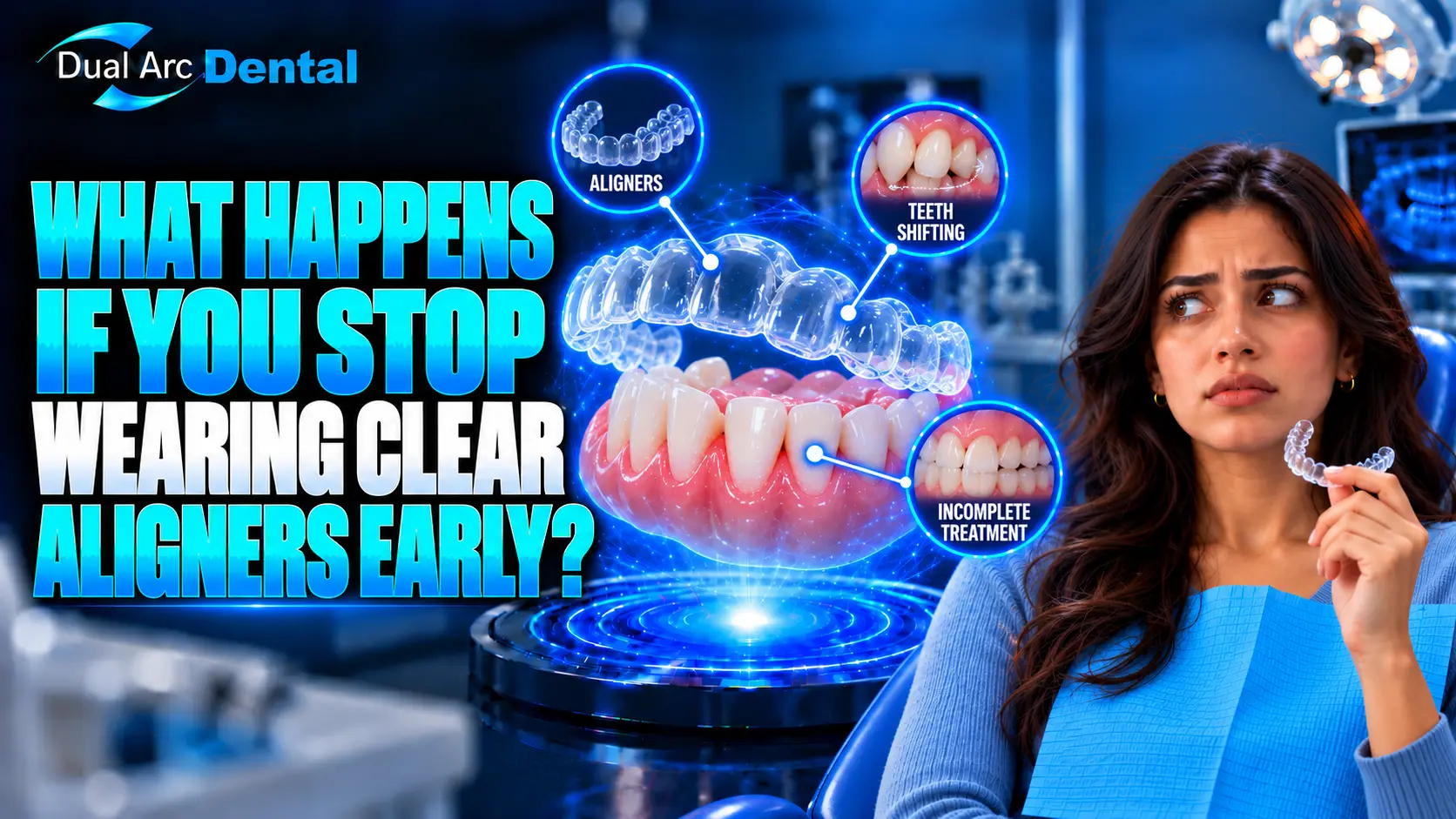
You've been in your aligners for several months, your teeth look a bit straighter and you feel everything is fine. It's easy to start thinking at that time that it's not worth continuing. With clear aligners Schertz TX, however, quitting early will likely mean that the teeth will not finish their movements even if the overall appearance is convincing.
The changes you see in the mirror are only part of the treatment plan. Teeth usually need to move through a planned sequence, and stopping before that sequence is complete can affect both the final alignment and how stable the result is.
Looking Straighter Doesn't Necessarily Mean Treatment Is Finished
Teeth can begin looking much better before the planned treatment has actually finished.
Some of the most noticeable changes may happen relatively early. Crowding may reduce, front teeth may appear more even, or a small gap may begin to close. That visual improvement can make it feel as though the main work is already done.
But aligner treatment is not planned only around appearance.
Your dentist may also be monitoring:
- The position of individual teeth
- How upper and lower teeth come together
- Remaining rotations or spacing
- The movement planned for later aligner stages
- Whether teeth are tracking as expected
A smile can therefore look straighter while certain movements still need to happen.
What Is Supposed to Happen From One Aligner Stage to the Next?
Clear aligner treatment usually works through a sequence rather than one major movement.
Each set is designed to guide certain teeth gradually toward the positions included in the overall treatment plan. One stage builds on the previous one.
A simplified progression may look like this:
- Initial alignment
- Gradual tooth movement
- Refinement of positioning
- Review of the final result
The exact process varies from person to person because no two treatment plans are identical.
This is also why skipping ahead or ending treatment early is not simply a matter of deciding that your teeth already look good enough. The remaining stages may still have a purpose that is difficult to judge just by looking in the mirror.
What Can Happen If You Stop Halfway Through?
Stopping clear aligner treatment before your dentist recommends doing so can create several problems.
1. Some teeth may remain partially corrected
Certain teeth can take longer to move than others.
The front teeth may look noticeably better while another tooth still needs rotation, spacing adjustment, or a smaller movement that is less obvious.
2. Your bite may not reach the planned position
Aligner treatment may involve more than straightening visible teeth.
How your teeth meet when you bite can also form part of the treatment plan. Ending treatment early may leave this part unfinished.
3. Teeth may begin shifting again
Teeth do not automatically stay wherever treatment is paused.
Depending on how long treatment has been interrupted and where your teeth are in the process, their position may change.
4. Your existing aligners may stop fitting properly
If tooth positions change during a break, the aligner you were previously wearing may no longer fit the same way.
That can make restarting less straightforward.
5. Your original treatment sequence may need reviewing
After a longer interruption, your dentist may need to assess your current tooth positions before deciding what should happen next.
The safest next step is therefore not to guess where you should restart.
“I Only Stopped for a Little While”: Does That Matter?
A short interruption and abandoning treatment altogether are not exactly the same situation.
Someone may stop wearing aligners temporarily because of travel, illness, a lost aligner, discomfort, or a disrupted routine.
How much a break matters depends on factors such as:
- How long the interruption lasted
- Which stage of treatment you were at
- Whether the current aligner still fits
- Whether any teeth appear to have shifted
- Your individual treatment plan
Rather than assuming everything is fine, contact your dental team if you have had an unexpected break.
They can review where you are in treatment and advise you based on your actual tooth position.
Why Do People Stop Wearing Their Aligners?
People do not always stop because they have decided to abandon treatment.
Often, everyday circumstances get in the way.
Common reasons include:
- Discomfort: A patient may find a new stage uncomfortable and start wearing it less consistently.
- Routine disruption: Busy workdays, family responsibilities, or changes in schedule can interfere with wear time.
- Lost aligner: Misplacing a set can interrupt the planned sequence.
- Travel: Holidays and work trips can make routines harder to maintain.
- Teeth already appear straight: Visible improvement can create the impression that further treatment is unnecessary.
- Difficulty staying consistent: Some people simply find the daily routine harder than expected.
If consistency has become difficult, tell your dentist rather than quietly stopping.
There may be a straightforward way to review the situation and decide what should happen next.
What If Your Old Aligner No Longer Fits?
Do not force an aligner into place if it no longer seems to fit normally.
A poor fit can be a sign that tooth positions have changed or that treatment has not progressed as originally expected.
Your dentist may want to check:
- How far the aligner seats over the teeth
- Whether certain teeth have moved
- Which aligner stage you last completed
- How long treatment was interrupted
- Whether the treatment plan needs adjustment
This is one situation where professional guidance is more useful than trying several old or new aligners yourself.
Should You Simply Start Wearing the Next Set Again?
Not automatically.
If treatment has been interrupted, moving straight to the next aligner may not be appropriate because the next set was designed for a particular stage of tooth movement.
Your teeth may no longer be in that exact position.
The better approach is to contact your dentist and explain:
- Which aligner you last wore
- How long you stopped wearing it
- Whether your current set still fits
- Whether you have noticed any shifting or discomfort
That information can help to determine if you can continue with the current sequence or if the treatment should be reviewed first.
Getting Your Treatment Back on Track
If you have taken a break, the key is not to assume that you have lost any gains or that you should give up on the journey.
You can discover where your teeth are now and what the next action is through a dental review.
For patients considering or already undergoing clear aligners Schertz TX treatment, this review can be especially useful after a lost aligner, extended break, change in fit, or difficulty maintaining the recommended routine.
Depending on your situation, your dentist may assess your current alignment and explain how your treatment plan should continue.
The key is to base that decision on your current tooth position rather than the number printed on the next aligner packet.
Finish With the Result Your Treatment Was Planned Around
It can be tempting to stop treatment when your smile looks better, but seeing improvement doesn't always mean you have reached the end of the treatment.
At Dual Arc Dental, we can review your progress, check how your teeth are tracking, and discuss the appropriate next step if your aligner routine has been interrupted.
If you're wearing clear aligners Schertz TX and you're not sure if your current set still fits well or if you've lost an aligner, or if you've interrupted your clear braces treatment, talk to our staff before attempting to continue on your own.
Frequently Asked Questions
1. How long can I stop wearing clear aligners before my teeth move?
There is no single timeframe that applies to everyone. Tooth movement varies based on your treatment stage, individual tooth positions, and how long the aligners have been left out. Contact your dentist if you have had an unexpected break.
2. What should I do if I lose my current aligner?
Contact your dental team and tell them which aligner was lost. Avoid assuming that you should automatically move to the next set because your dentist may want to review your treatment stage first.
3. Can I wear an older aligner if my current one no longer fits?
You should speak with your dentist before changing your aligner sequence. If your teeth have shifted, professional assessment can help determine the most appropriate way to continue.
4. Does treatment end as soon as my teeth look straight?
Not necessarily. Visible straightening may happen before all planned tooth movements are complete. Your dentist determines treatment completion based on the overall treatment plan rather than appearance alone.
5. What happens if I do not wear my aligners consistently?
Inconsistent wear can interfere with planned tooth movement and may affect how later aligners fit. If maintaining the recommended routine has become difficult, discuss it with your dental team.
6. Do I need a dental appointment before restarting after a long break?
A professional review is advisable if you have stopped wearing your aligners for an extended period, especially if the aligners no longer fit normally or you have noticed your teeth shifting.