

Severe Tooth Pain at Night: When a Root Canal Can't Wait Until Morning

Severe tooth pain has a way of becoming particularly difficult at night. What felt like a manageable sensitivity earlier in the day may develop into persistent throbbing, pain on biting or discomfort that makes sleep almost impossible. At that point, searching for a root canal nearby may be more appropriate than simply waiting to see whether the pain settles by morning.
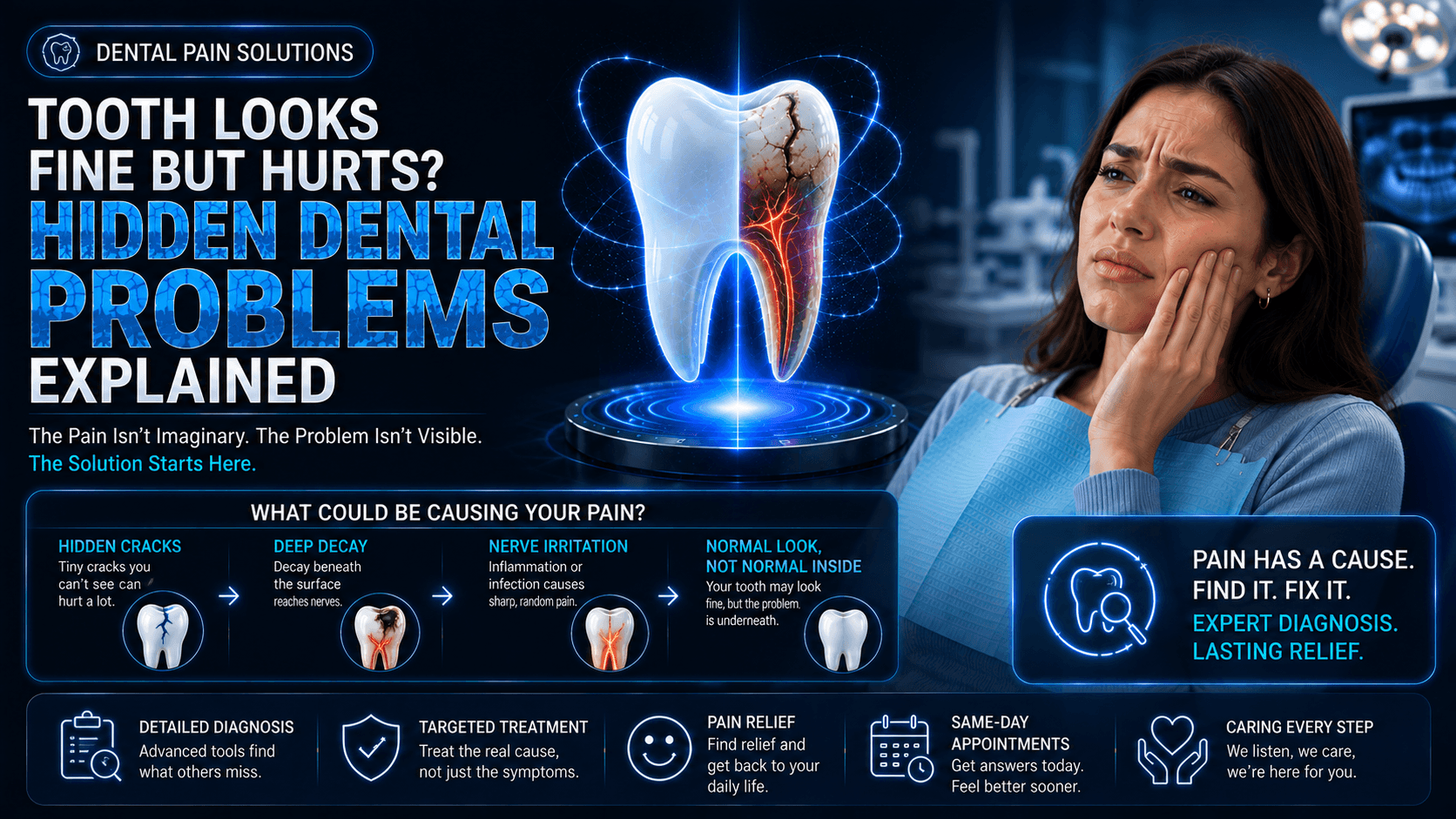
Not every toothache requires root canal treatment, and pain intensity alone cannot confirm the diagnosis. However, certain symptoms can indicate inflammation or infection involving the dental pulp, the soft tissue containing nerves and blood vessels inside the tooth. When this tissue is irreversibly inflamed or infected, delaying professional assessment can allow the underlying problem to progress.
Why Can Tooth Pain Become More Noticeable at Night?
Night-time dental pain does not necessarily mean that the condition suddenly became worse after sunset. Several factors can make an existing dental problem feel more pronounced.
When lying down, changes in blood flow and pressure around an inflamed area may contribute to a stronger awareness of pulpal pain. There are also fewer distractions at night, making persistent discomfort harder to ignore.
Pain associated with significant pulpal inflammation may be:
- Spontaneous, without eating or touching the tooth
- Throbbing or difficult to localise
- Triggered by hot or cold temperatures
- Persistent after the temperature stimulus has been removed
- Severe enough to interrupt or prevent sleep
- Accompanied by tenderness when biting or chewing
These features require proper dental evaluation rather than self-diagnosis.
When Might a Root Canal Be Necessary?
Root canal treatment is intended to manage disease or damage affecting the pulp within a tooth. The procedure involves removing inflamed or infected pulp tissue, cleaning and disinfecting the internal root canal system, and sealing the space to help preserve the tooth.
A dentist may consider root canal treatment when examination and diagnostic testing indicate irreversible pulp inflammation or pulp necrosis. Potential causes include deep decay, cracks, trauma or infection that has reached the internal tissues.
Someone searching for a root canal nearby because of severe overnight pain should understand that the first priority is diagnosis. Similar symptoms can arise from different dental conditions, and the correct treatment depends on identifying the source.
Signs That Should Not Simply Be Ignored Overnight
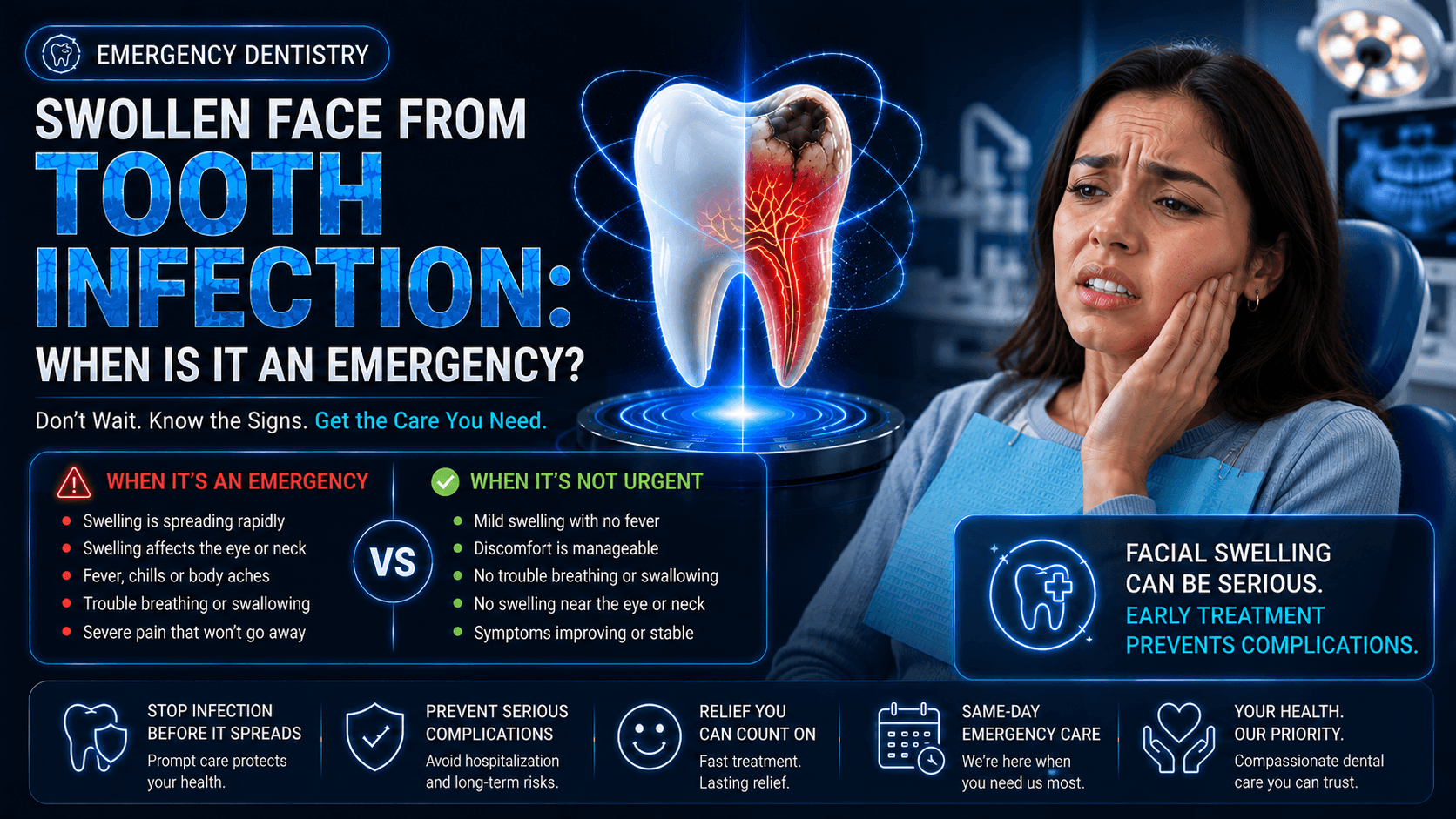
Some dental symptoms warrant more urgent attention, particularly when pain is accompanied by evidence that infection may be extending beyond the tooth.
Seek prompt professional dental assessment if you experience:
- Severe or escalating tooth pain
- Facial, gum or jaw swelling
- A swollen or tender area near the affected tooth
- Pus or an unpleasant taste associated with drainage
- Significant pain when biting
- Difficulty opening the mouth normally
- Fever or feeling generally unwell alongside dental symptoms
Swelling that affects breathing or swallowing requires immediate emergency medical attention.
The important distinction is that pain relief and treatment of the cause are not the same thing. Even if symptoms temporarily improve, an infected or severely damaged pulp may still require dental treatment.
What Happens During an Urgent Dental Assessment?
An emergency assessment is not simply a matter of identifying which tooth hurts. Dental pain can be referred, meaning the tooth that appears painful to the patient is not always the actual source.
A dentist may assess the affected tooth and surrounding tissues, review the symptoms and perform appropriate diagnostic tests. Depending on the clinical situation, this can include evaluating sensitivity, percussion or biting responses and taking dental radiographs.
The findings help determine whether the pulp may recover, whether root canal treatment is indicated or whether another condition is responsible.
This is why choosing a root canal nearby should be based on access to proper clinical assessment rather than assuming treatment before the tooth has been examined.
Why Waiting for the Pain to Disappear Can Be Misleading
One potentially confusing feature of pulpal disease is that pain does not always increase continuously.
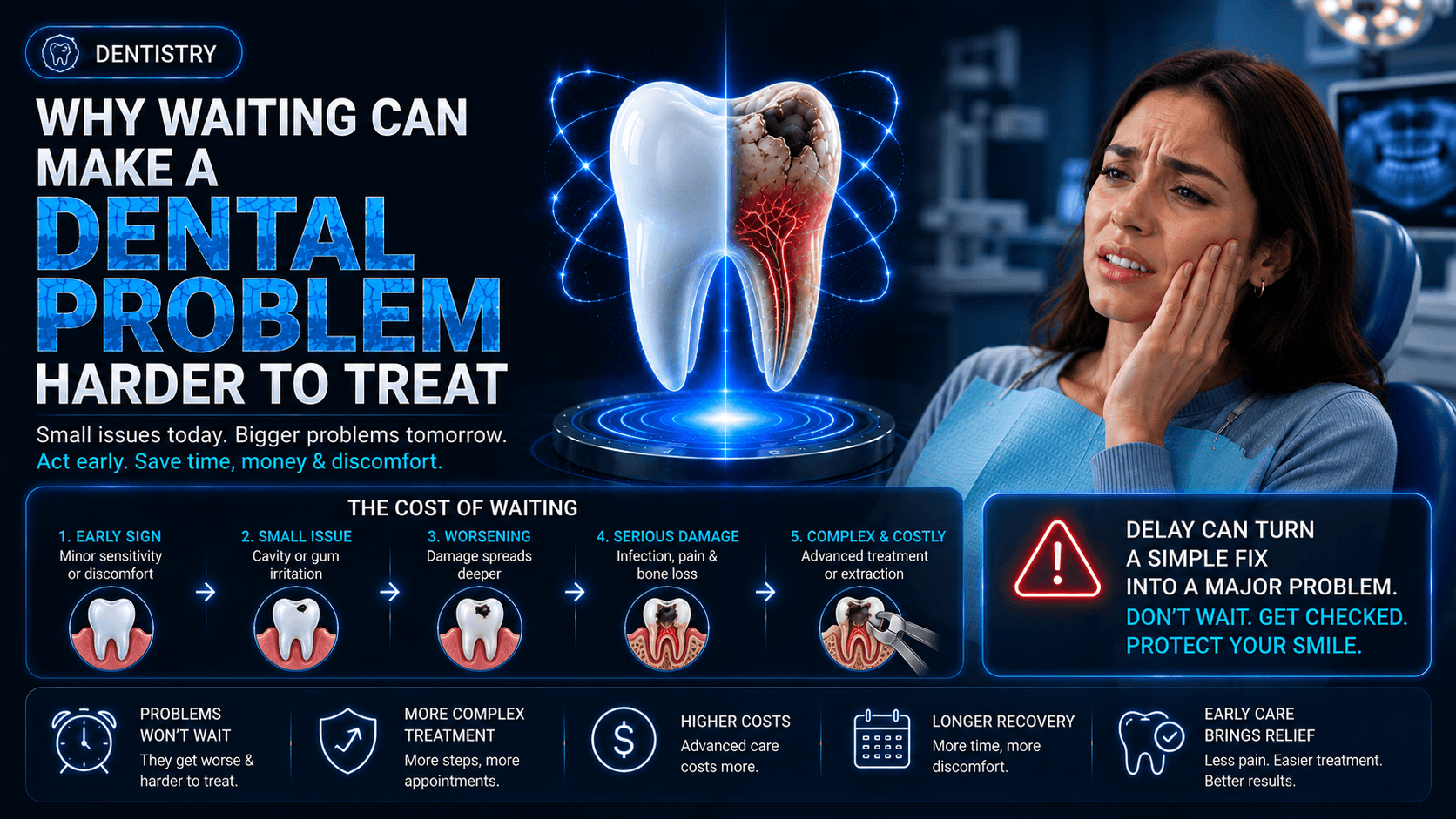
A severely inflamed pulp can eventually lose vitality. When nerve tissue dies, the original sensitivity may reduce. That does not necessarily mean the tooth has healed. Infection may subsequently develop around the root and surrounding tissues, potentially causing tenderness, swelling or an abscess.
In other words, reduced pain is not reliable evidence that the underlying dental problem has been resolved.
What Can You Do Until You Receive Dental Care?
If professional treatment is not immediately accessible, the objective should be to avoid aggravating the tooth until it can be assessed.
Try to avoid chewing on the painful side and stay away from foods or drinks that clearly trigger symptoms. Keep the area clean with normal, careful oral hygiene.
Pain medication may provide temporary relief when taken according to the product instructions and when medically appropriate for the individual. Medication, however, cannot remove infected pulp tissue or repair structural damage inside the tooth.
Do not place aspirin or other medications directly against the gum or painful tooth, as this can injure oral tissues.
Getting the Tooth Assessed Before the Problem Progresses
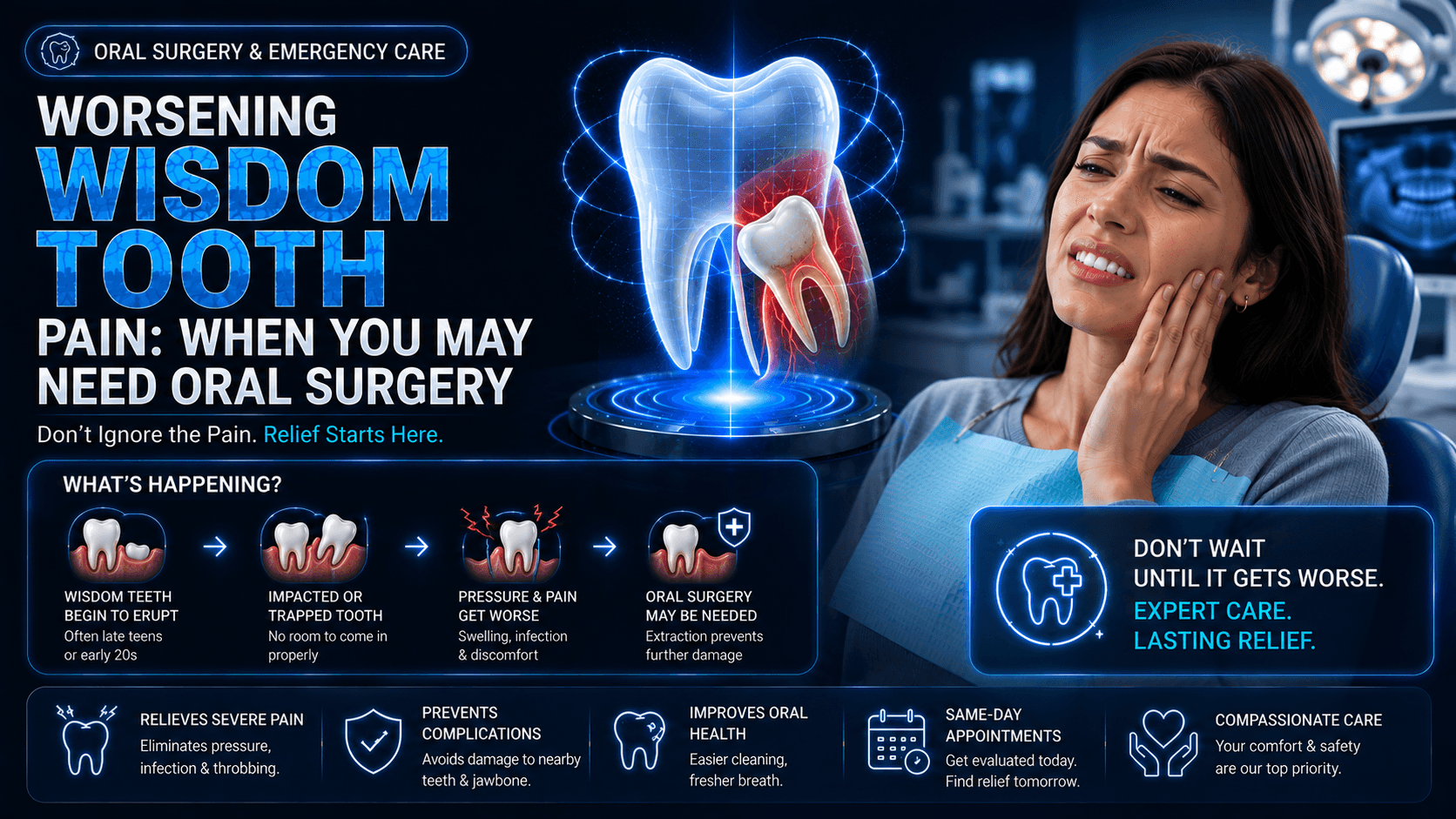
Severe night-time tooth pain should not automatically be labelled as a root canal problem, but persistent spontaneous pain, prolonged temperature sensitivity, biting tenderness or swelling deserves timely dental assessment. Searching for a root canal nearby can therefore be the first step towards determining whether the tooth requires endodontic treatment or another form of dental care.
Dual Arc Dental provides comprehensive dental care, including endodontic treatment and emergency dentistry, for patients in Schertz. If severe tooth pain is keeping you awake, the dental team can assess the cause and discuss an appropriate treatment plan based on the condition of the affected tooth.
Frequently Asked Questions
1. Does severe tooth pain at night always mean I need a root canal?
No. Severe pain can result from several dental conditions. Root canal treatment is recommended only when examination and diagnostic findings show that the pulp is irreversibly inflamed, infected or otherwise unable to recover.
2. Can tooth pain disappear even if the tooth is infected?
Yes. Pain may decrease if the pulp loses vitality, but the underlying disease can remain and may progress into the tissues surrounding the root.
3. Is swelling with tooth pain an emergency?
Swelling should be assessed promptly, particularly when it is increasing or accompanied by fever or general illness. Swelling that interferes with breathing or swallowing requires immediate emergency medical attention.
4. Can antibiotics replace root canal treatment?
Antibiotics do not remove diseased pulp tissue from inside a tooth. Whether antibiotics are appropriate depends on the clinical presentation and must be determined by a dental professional.
5. What is the purpose of root canal treatment?
Root canal treatment removes inflamed or infected pulp tissue from inside the tooth, allows the root canal system to be cleaned and sealed, and is performed with the aim of retaining the natural tooth where clinically appropriate.