

Bad Breath That Persists After Brushing: When Should You Book a Dental Examination?
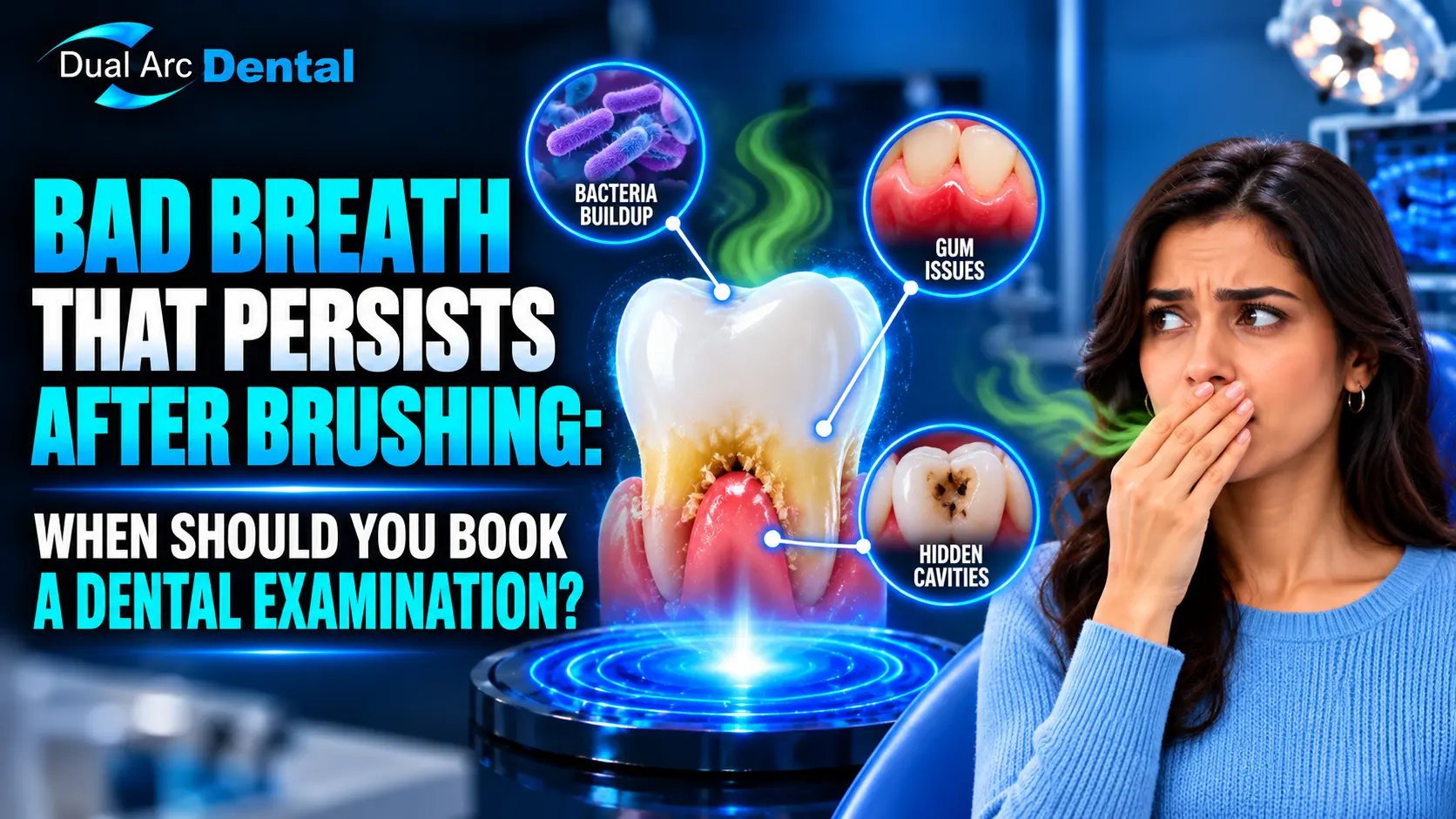
You've brushed your teeth, used mouthwash, and maybe even chewed a mint before leaving home. An hour later, your breath doesn't seem fresh anymore.
It's frustrating, especially when you're already careful about oral hygiene. You might start brushing more often, switching toothpaste, or avoiding certain foods. Yet the problem keeps coming back.
Bad breath, also called halitosis, isn't always caused by poor brushing. Sometimes bacteria collect in areas your toothbrush can't reach. Dry mouth, cavities, and gum problems can also contribute.
If you've been searching for dental near me in Schertz, TX, because nothing seems to help, a dental examination may give you more useful answers than another bottle of mouthwash.
First, Is It Morning Breath or Something More Persistent?
Most people experience unpleasant breath occasionally. After sleeping, for example, your mouth produces less saliva, allowing odor-causing bacteria to build up.
Coffee, onions, garlic, and certain other foods can temporarily affect your breath, too.
These situations are different from an odor that returns soon after cleaning your mouth or continues throughout the day.
Persistent bad breath deserves attention when you've been brushing twice daily, cleaning between your teeth, and drinking enough water but haven't noticed much improvement.
If the problem continues for a few weeks despite good oral care, arrange a dental examination. There's no reason to feel embarrassed about mentioning it.
Dentists deal with this concern regularly, and identifying the cause is more useful than trying to disguise the smell.
Your Toothbrush Can't Clean Every Surface
Brushing removes plaque from accessible tooth surfaces, but bacteria also collect between teeth, around dental restorations, and along the gumline.
If you don't clean between your teeth regularly, trapped food and plaque can contribute to unpleasant breath.
There may be a particular spot where food repeatedly gets stuck. Perhaps floss catches around an old filling, or a back tooth is difficult to clean.
Those details are worth mentioning during your appointment.
The tongue can also hold bacteria and debris, especially toward the back. Gentle tongue cleaning may help some people feel fresher, although scraping alone isn't a proven cure for chronic halitosis.
More aggressive brushing isn't the solution. It can irritate your gums without addressing the underlying problem.
Could Bleeding Gums Explain the Smell?
One clue people sometimes overlook is bleeding when brushing or flossing.
You may notice pink toothpaste in the sink or tenderness around a back molar. Sometimes there's no pain at all.
Plaque left near the gums can cause inflammation called gingivitis. If the condition progresses, periodontal disease can damage the tissues supporting the teeth.
Persistent bad breath or an unpleasant taste can accompany gum disease.
Tartar, which is hardened plaque, cannot be removed with a regular toothbrush. Professional cleaning may be needed.
During a general dental examination, your dentist can check for gum inflammation, measure areas around the teeth when appropriate, and determine whether routine cleaning or more involved periodontal care is necessary.
Don't assume bleeding is normal just because it happens frequently.
A Cavity Doesn't Always Cause a Toothache
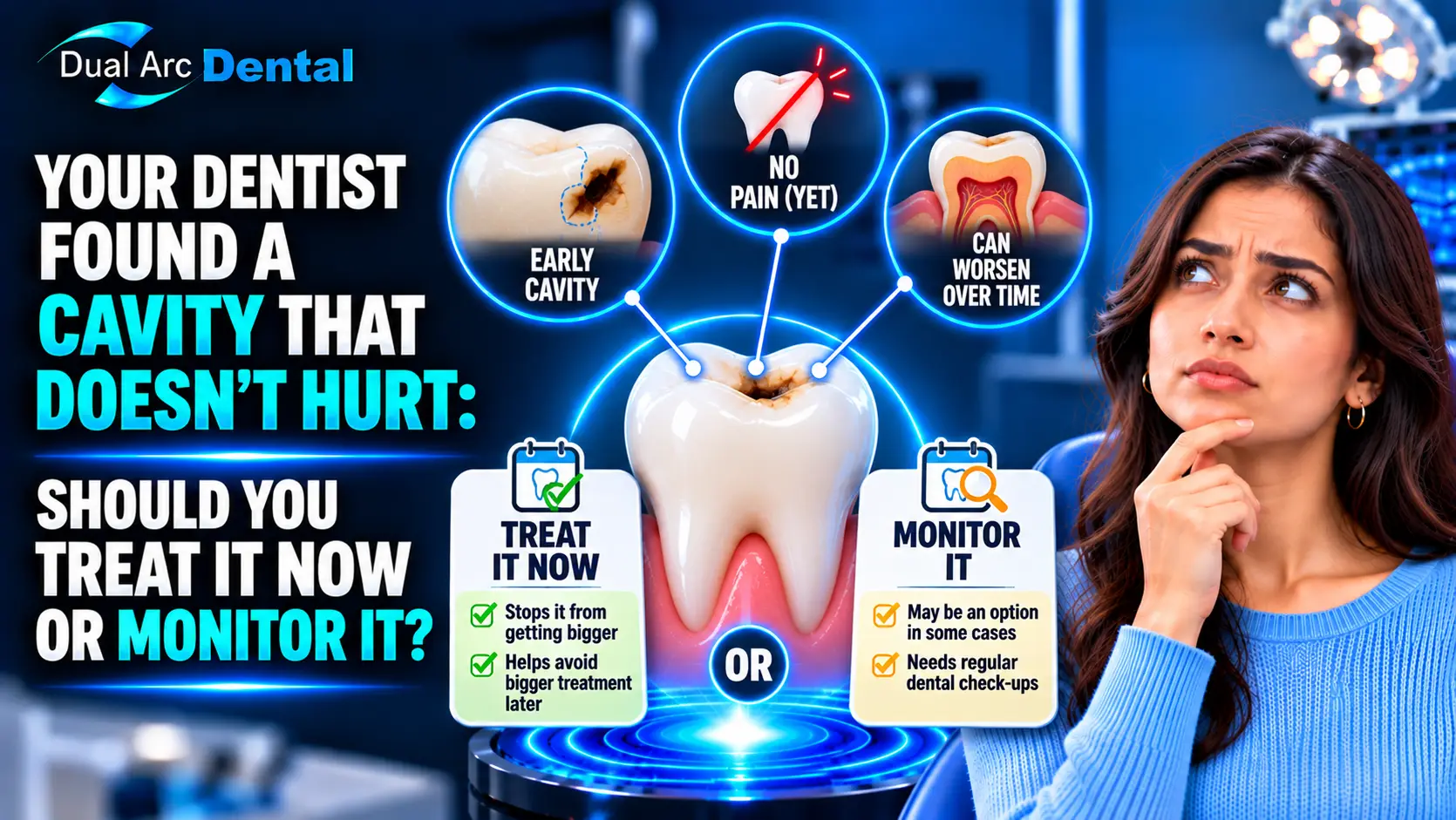
Many people associate cavities with pain or sensitivity. But early decay can develop without either symptom.
A cavity may also create a rough or damaged area where food and bacteria collect.
Similarly, a broken filling or poorly fitting restoration can make a tooth harder to clean.
If there's one area of your mouth that frequently traps food or leaves an unpleasant taste, tell your dentist.
An examination may reveal decay, a damaged restoration, or another problem that needs attention.
Depending on the findings, restorative dentistry may be recommended to repair the affected tooth.
Treating the dental problem can help address an oral source of bad breath, although no single procedure is guaranteed to eliminate every cause.
Does Your Mouth Feel Dry During the Day?
Saliva does more than make swallowing comfortable. It helps wash away food debris and protects the mouth against bacteria and acids.
When saliva production decreases, breath can become unpleasant even if you brush carefully.
You may notice a sticky feeling in your mouth, difficulty eating dry foods, or a need to sip water frequently.
Certain medications, including some used for allergies, depression, and blood pressure, can contribute to dry mouth. Mouth breathing, dehydration, and some medical conditions can also play a role.
Bring a medication list to your dental appointment if dryness has become a regular problem.
Don't stop prescribed medication to see whether your breath improves. Your dentist may suggest discussing possible alternatives with the clinician who prescribed it.
For temporary relief, sipping water and chewing sugar-free gum may help when appropriate.
What if the Problem Isn't Coming From Your Teeth?
Not every case of persistent bad breath begins in the mouth.
Tonsil stones, sinus problems, certain throat infections, and acid reflux can sometimes contribute.
That doesn't mean you should immediately assume something is wrong with your stomach.
A dental examination is often a sensible starting point because many common causes involve the teeth, gums, or oral tissues.
If your dentist finds that your mouth is healthy, they may recommend speaking with your primary care physician or another appropriate healthcare professional.
It's better to investigate the likely cause than to continue buying products that only cover up the odor for a short time.
What Happens During an Examination for Bad Breath?
There's no need to prepare a complicated explanation.
Tell your dentist when you first noticed the problem, whether anyone else has mentioned it, and what you've already tried.
You might be asked whether your mouth feels dry, your gums bleed, or you frequently experience an unpleasant taste.
The dentist will examine your teeth, gums, tongue, and other oral tissues. They may check around existing fillings or crowns and recommend dental X-rays if there's a reason to investigate hidden decay or another problem.
Sometimes the next step is a professional cleaning. Other times, treatment for gum disease, a cavity, or dry mouth may be appropriate.
At Dual Arc Dental, routine dental examinations and cleanings are part of the practice's preventive care services.
The goal is to identify a possible cause rather than simply recommend stronger mouthwash.
When Should You Schedule the Appointment?
You don't need to wait until bad breath becomes a daily source of embarrassment.
Book a dental examination if the odor continues despite good oral hygiene, particularly if you've also noticed bleeding gums, frequent food trapping, dry mouth, or an unusual taste.
If you have tooth pain, swelling, or signs of a dental infection, contact a dentist sooner.
Bad breath by itself usually isn't an emergency. However, facial swelling with fever or increasing pain needs prompt assessment. Difficulty breathing or swallowing requires emergency medical attention.
Bad Breath That Keeps Returning? Find Out What's Behind It
You shouldn't have to keep changing toothpaste every few weeks or rely on mints throughout the day.
Sometimes the issue is something straightforward, such as plaque collecting around a difficult-to-clean tooth. Other times, your gums, saliva production, or existing dental work need a closer look.
At Dual Arc Dental, patients from Schertz, Cibolo, Selma, Universal City, and nearby communities can schedule dental examinations to discuss concerns such as persistent bad breath.
If regular brushing isn't making a difference, contact the team to arrange a visit.
Dual Arc Dental
1248 FM 78, Suite 105, Schertz, TX 78154
Phone: (210) 375-5256
You don't need to figure out the cause before making an appointment. That's what the examination is for.
Frequently Asked Questions
1. Why does my breath smell bad even after brushing twice a day?
Plaque between teeth, gum disease, cavities, dry mouth, or bacteria on the tongue may contribute. Brushing alone doesn't address every possible cause.
2. Can a professional dental cleaning help with bad breath?
It may help when plaque, tartar, or gum inflammation is contributing to the odor. The dentist will determine whether a routine cleaning or additional treatment is needed.
3. Does mouthwash cure persistent bad breath?
Mouthwash can temporarily improve breath, and certain therapeutic formulas may help control odor-causing bacteria. It won't repair cavities or treat the underlying cause of gum disease.
4. Can you have gum disease without pain?
Yes. Gum disease can develop with little discomfort. Bleeding gums, persistent bad breath, or changes around the gumline may be early warning signs.
5. Should I see a dentist or a doctor for chronic bad breath?
A dentist is often a good starting point. If no oral cause is identified, your dentist may recommend medical evaluation for other possible causes.
6. Where can I book a dental examination in Schertz, TX?
Dual Arc Dental offers family and general dental examinations in Schertz. Patients can contact the practice to arrange an appointment for persistent bad breath, gum concerns, or other oral health symptoms.