
Dental Pain During a Holiday Weekend: What Can Safely Wait Until the Clinic Reopens?
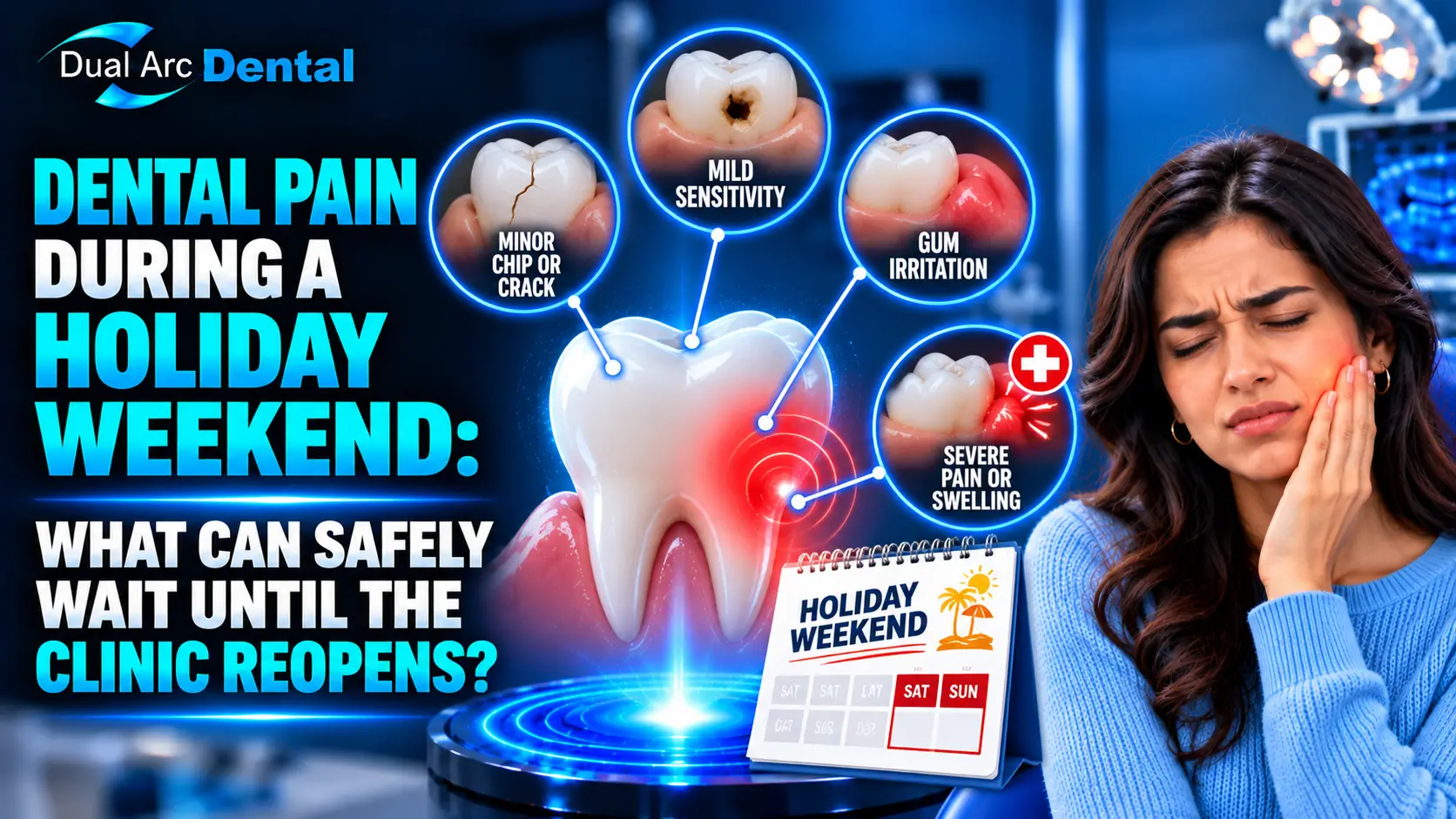
A toothache has terrible timing. It might start on Friday night, just as everything is closing for a long weekend. At first, it's a little uncomfortable when you chew. By Saturday, you're avoiding that side of your mouth. Now you're wondering whether you can get through the holiday or need to find a dentist who's available.
The answer depends on what's happening with the tooth.
Some discomfort can wait for a regular appointment. Other symptoms need attention much sooner. And pain alone doesn't always tell you how serious the problem is.
If you're considering emergency dental services in Schertz, TX, here's how to recognize the difference.
A Mild Toothache Doesn't Always Mean an Emergency
Let's say you take a sip of cold water and feel a quick sting in one tooth. A few seconds later, it's gone. You finish your drink, eat normally, and don't notice anything else.
That situation is different from a tooth that aches continuously or wakes you up at night.
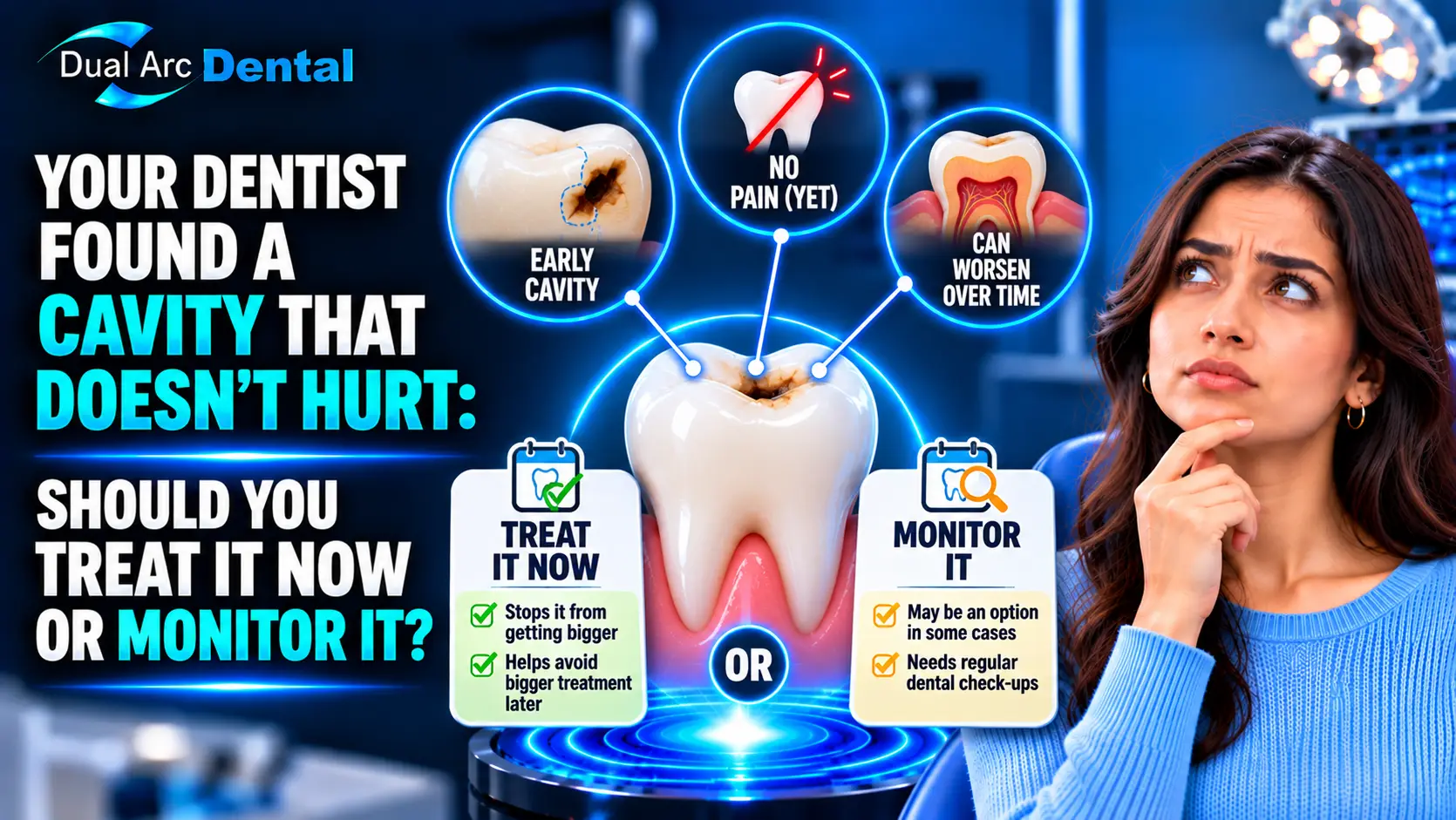
Brief sensitivity can happen for several reasons. Exposed root surfaces, worn enamel, or a small area of decay are among them. None should be ignored, but they don't necessarily require an immediate emergency appointment.
You may be able to wait until the clinic reopens if the discomfort is mild, doesn't linger, and isn't accompanied by swelling or other concerning symptoms.
Still, make the appointment. The fact that a tooth stops hurting doesn't tell you why it started.
When Waiting Until Tuesday Is a Bad Idea
A holiday weekend can mean three or four days without a regular dental appointment. That's a long time when symptoms are changing.
There are a few situations where calling for urgent dental care is the better decision.
The Pain Is Getting Harder to Ignore
Maybe Friday's discomfort was manageable, but now you can't sleep on that side of your face. Or you find yourself taking pain medication repeatedly because the ache keeps returning.
Pain that becomes constant, severe, or difficult to control needs attention.
It could be caused by inflammation inside the tooth, a fracture, or another condition that requires treatment. You won't know which one without an examination.
Your Gum or Cheek Has Started Swelling
Swelling changes the situation.
A small, tender bump near a tooth might indicate a draining dental infection. Swelling around the jaw, particularly with fever or feeling unwell, is more concerning.
Dental infections don't always stay limited to one tooth. Some spread into the surrounding tissues.
Don't spend the remainder of the holiday waiting to see whether new swelling disappears. Contact an urgent dental provider.
If swelling affects your breathing or swallowing, or spreads toward your eye or neck, go to an emergency department immediately.
Something Broke While You Were Eating
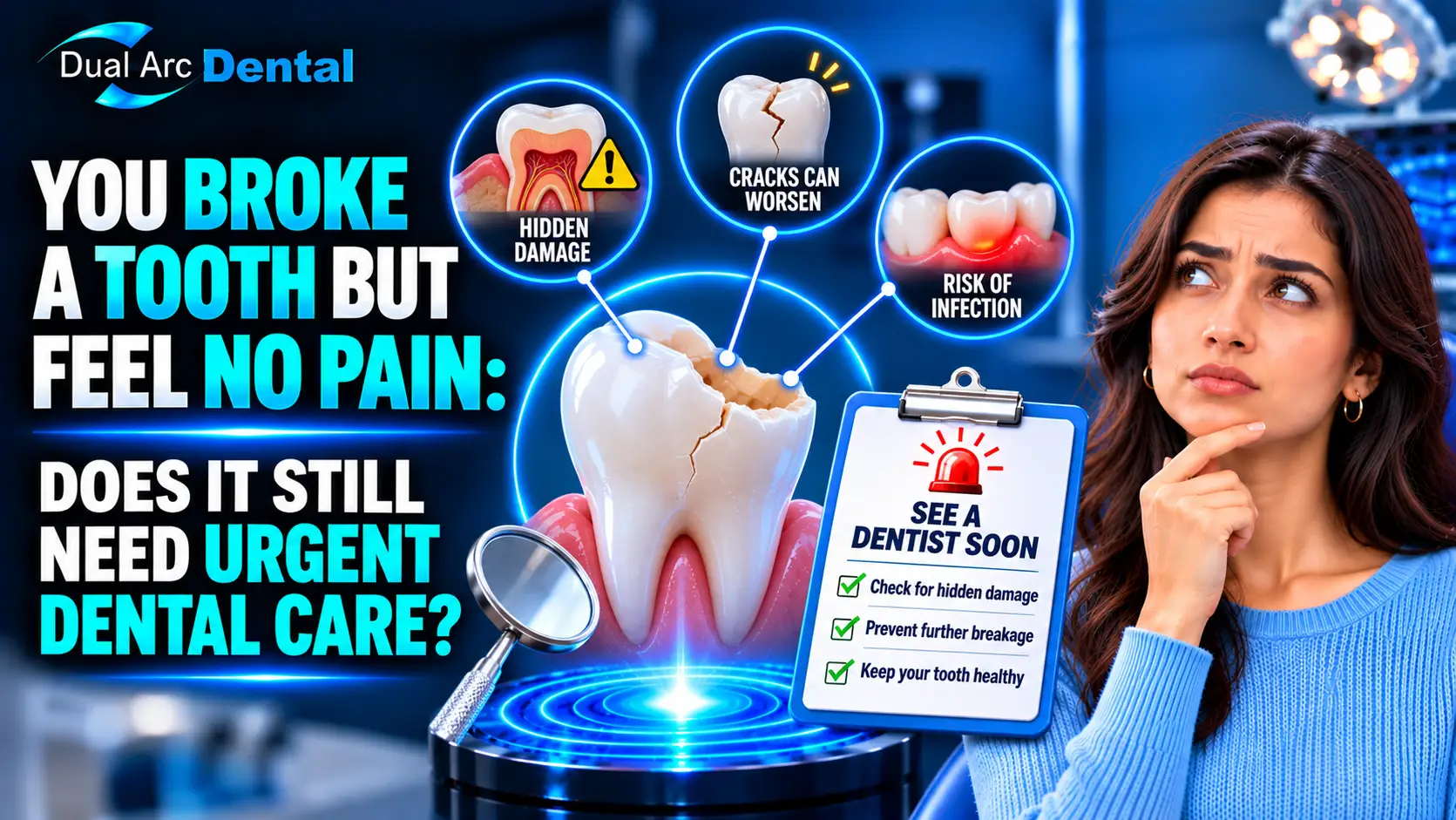
A broken tooth isn't automatically a medical emergency. The size of the fracture and your symptoms matter.
A tiny chip with no pain may be able to wait.
A tooth that has fractured deeply, feels extremely sensitive, or hurts sharply when you bite should be checked sooner.
The same applies when a large filling comes out and the exposed tooth becomes painful.
Depending on the damage, your dentist may recommend a filling, crown, or another restorative dentistry treatment.
What About a Toothache That Comes and Goes?
This is where people often get confused.
You might have a painful evening, sleep reasonably well, then feel almost normal the next morning. By dinner, the discomfort is back.
That doesn't necessarily mean the tooth is healing between episodes.
Some dental problems cause intermittent symptoms, especially when triggered by chewing, temperature changes, or pressure.
Pay attention to how long the discomfort lasts after something triggers it.
A quick reaction to cold is different from pain that continues well after you've finished drinking. Pain that lingers, occurs without an obvious trigger, or becomes more frequent deserves prompt dental advice.
An examination through general dentistry can help identify the cause before the problem becomes more difficult to manage.
What Can You Do at Home Until the Dentist Reopens?
If your symptoms are mild and you don't have warning signs that require urgent attention, you can take a few steps to stay comfortable.
Start with how you're eating. Chew on the opposite side and choose foods that don't put much pressure on the painful tooth. Scrambled eggs, yogurt, soft rice, and soup that's not too hot are usually easier to manage than nuts, chips, or crusty bread.
Keep brushing, but don't scrub aggressively around the sore area.
If food is trapped between your teeth, gently flossing may help. A warm saltwater rinse can also soothe irritated gum tissue.
Over-the-counter ibuprofen or acetaminophen may provide temporary relief if you're able to take them safely. Follow the package instructions, and check with a healthcare professional if you have a medical condition or take medication that could affect your choice.
Avoid placing aspirin against the tooth or gum. It can damage the tissue.
And don't start leftover antibiotics. Antibiotics aren't the answer to every toothache, and even when an infection is present, dental treatment may be needed to remove its source.
If the pain increases or new symptoms appear, reassess rather than continuing to manage it at home.
Your Tooth Stopped Hurting. Can You Cancel the Appointment?
Not so quickly.
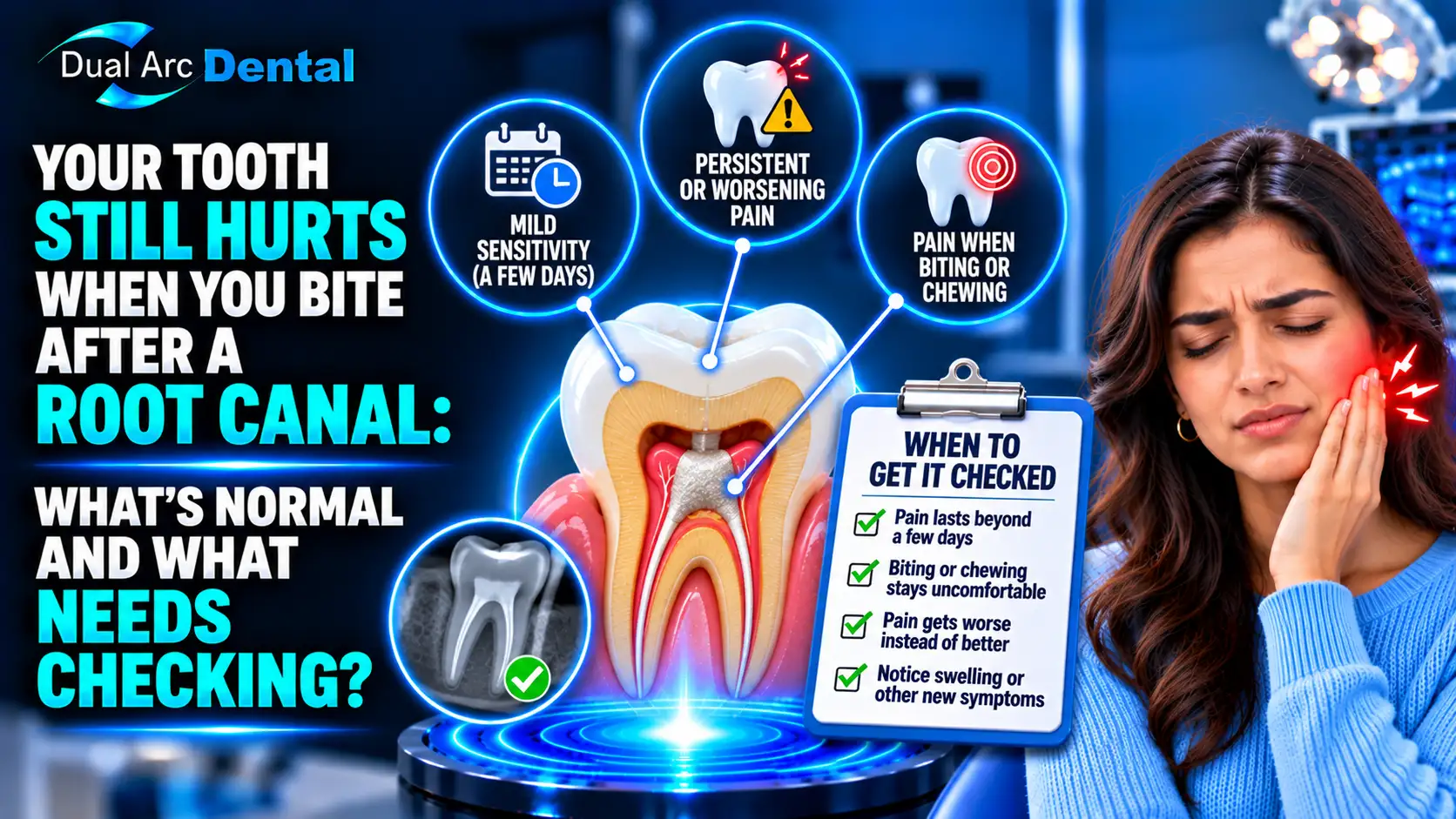
Pain sometimes settles because the irritation was temporary. But there's another possibility: the nerve inside the tooth may have been damaged.
When the pulp loses vitality, symptoms can change or even disappear for a period. An infection may still develop around the root.
This doesn't mean every tooth that stops hurting needs root canal treatment.
It means pain relief alone isn't a diagnosis.
If you've experienced persistent tooth pain during the weekend, it's worth having the tooth examined even when you're feeling better by Monday.
What if Your Child Develops Tooth Pain During the Holiday?
Children can be difficult to assess because they don't always know how to describe what hurts.
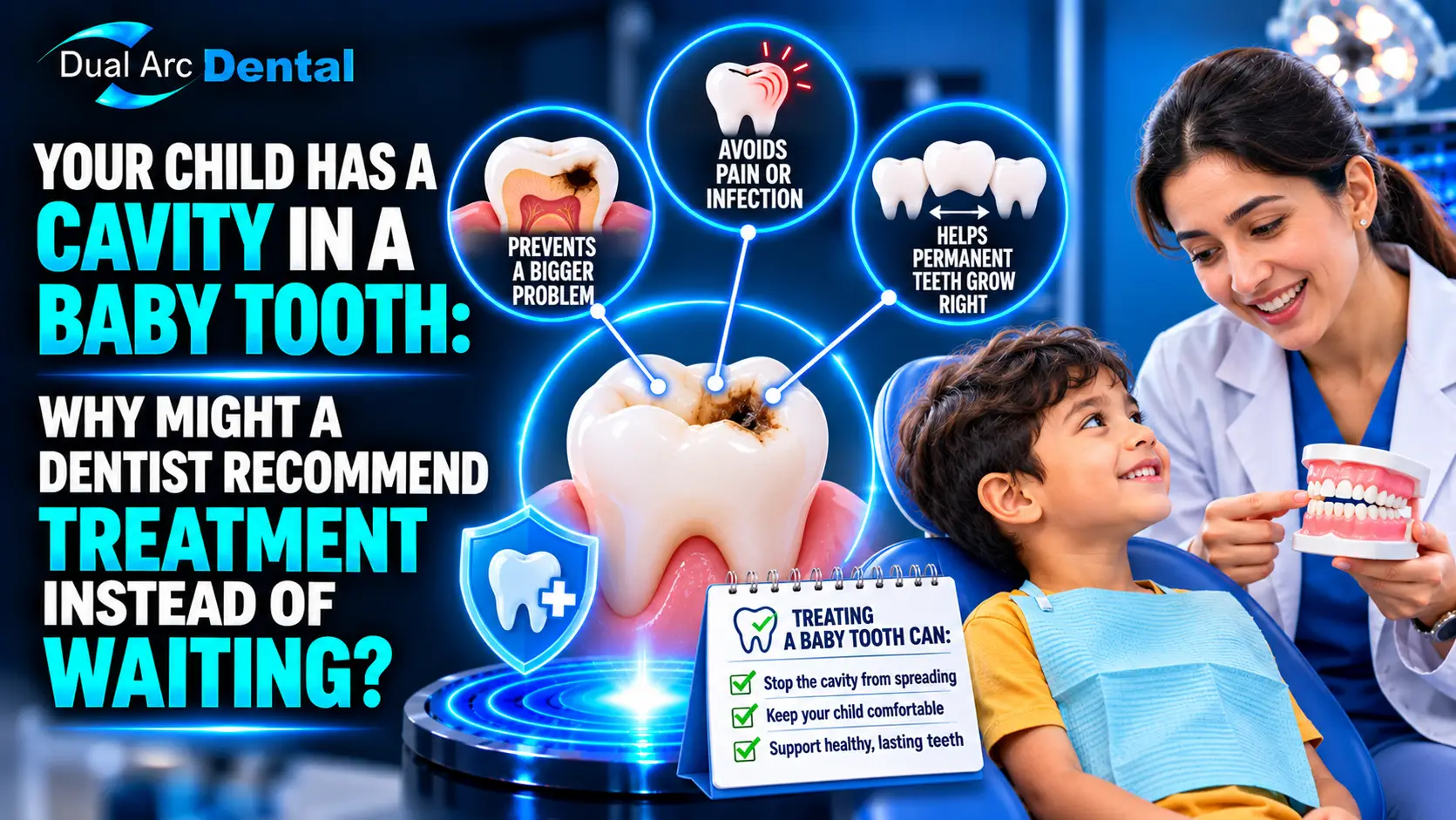
A child might say their whole mouth hurts when the problem is actually limited to one tooth. Younger children may refuse to chew, become unusually irritable, or hold their cheek.
If there's mild discomfort without other symptoms, call a dentist for advice about when your child should be seen.
However, facial swelling, significant pain, fever associated with dental symptoms, or an injured permanent tooth shouldn't be put off until the next routine appointment.
Parents looking for family or pediatric dental care in Schertz, Cibolo, or Universal City can contact Dual Arc Dental to discuss their child's symptoms and available appointments.
Should You Visit a Hospital for a Toothache?
Usually, a dental office is the better place to have a toothache evaluated.
A hospital emergency department can provide medical assessment and treatment for serious complications, but it may not be able to perform the dental procedure needed to fix the tooth.
For example, a painful cavity may ultimately need a filling or root canal. Those procedures are generally handled by a dentist.
But certain symptoms shouldn't be managed through a routine dental appointment.
Go to an emergency department if you have serious facial trauma, uncontrolled bleeding, rapidly progressing facial swelling, or difficulty opening your mouth accompanied by significant swelling or illness.
Difficulty breathing or swallowing is a medical emergency. Call 911.
Finding Emergency Dental Services in Schertz, TX
If a toothache begins when your regular clinic is closed, try calling the office first. The recorded message may explain how to get help for urgent dental problems.
When you speak with a dental team, describe what's changed since the pain started.
Tell them whether the discomfort is constant, whether you can eat, and whether you've noticed swelling, fever, or a broken tooth.
These details are often more useful than simply saying your pain is a seven out of ten.
Dual Arc Dental provides emergency dental services in Schertz, TX, with same-day appointments when available.
Holiday hours may vary, so it's important to call and confirm availability before visiting.
Don't Ignore a Toothache Just Because It's a Holiday
A little sensitivity on Saturday doesn't always mean you need emergency treatment. But increasing pain, swelling, or a damaged tooth is another matter.
If you aren't sure whether your symptoms can wait, there's nothing wrong with calling and asking.
At Dual Arc Dental, patients from Schertz and nearby communities can receive dental evaluations and treatment for unexpected problems.
For appointment information or advice about an urgent dental concern, contact the office.
Dual Arc Dental
1248 FM 78, Suite 105, Schertz, TX 78154
Phone: (210) 375-5256
It's better to understand what's causing the pain than to spend the whole weekend hoping it doesn't get worse.
Frequently Asked Questions
1. Can I wait three days with a toothache?
You may be able to wait if the pain is mild, brief, and not getting worse. Persistent pain, swelling, fever, or difficulty eating warrants earlier dental advice. If you're unsure, call a dental professional.
2. My tooth only hurts when I bite. Is that urgent?
Pain when biting can be caused by several problems, including a cracked tooth or an irritated ligament. Avoid chewing on it and arrange an evaluation. Seek prompt care if the pain is significant or worsening.
3. Can a dental abscess go away during the weekend?
An abscess generally requires professional treatment. Even if it drains and the pain improves, the infection may remain. Contact a dentist urgently rather than assuming it's resolved.
4. What if my filling falls out on a holiday?
Avoid chewing on the tooth and keep the area clean. If there's little or no pain, your dentist may advise you to wait for an appointment. Severe sensitivity or pain needs more prompt attention.
5. Is it safe to take pain medication until my appointment?
Over-the-counter pain relievers can help temporarily when taken appropriately. Follow label directions and consider your health conditions and other medications. They won't correct the underlying dental problem.
6. Can I get an emergency dental appointment at Dual Arc Dental during a holiday?
Dual Arc Dental offers emergency appointments when available, but holiday opening hours aren't guaranteed. Call the practice directly to confirm whether appointments are being offered.