
Team Dualarcdental April 06 2025
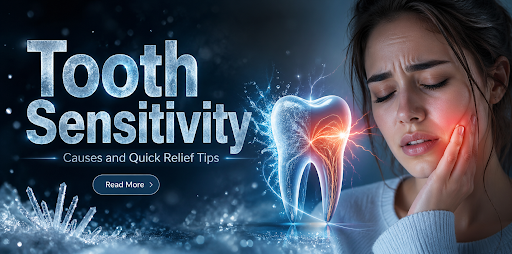
One of the most common dental problems that affects many individuals is the problem of tooth sensitivity, which makes it difficult for one to enjoy activities such as sipping hot tea or even eating their favorite ice cream. Individuals who suffer from this condition mostly find it necessary to consult with a dentist in Schertz, Texas, for information regarding the cause of their dental problem.
What Causes Tooth Sensitivity?
This condition results from damage to your teeth’s protective layers, leaving the dentin, a soft inner layer of your teeth. The dentin layer houses tiny nerve endings that respond to changes in temperature and food.
These are some of the major causes:
- Enamel erosion: Regular intake of acidic foods and drinks will cause wear and tear on your enamel.
- Gum disease: When gums recede, your tooth roots become exposed and are therefore susceptible to being irritated.
- Tooth decay: Damaged teeth will leave room for irritants to affect your teeth easily.
- Teeth grinding (Bruxism): Grinding of teeth regularly leads to erosion of your enamel.
- Dental procedures: Your tooth might be very sensitive after certain dental procedures.
Understanding the cause is the first step toward relief, and a professional evaluation ensures you’re addressing the right issue.
Recognizing the Symptoms
Symptoms of tooth sensitivity might vary from person to person, but mostly, they involve sharp pain or persistent discomfort.
Common triggers include:
- Intake of hot and cold foods and drinks.
- Sweet and acidic foods.
- Exposure to cold air.
- Flossing and brushing teeth.
If these signs persist, it is vital to pay attention to them as they might point out a serious problem with your dental health.
Quick Relief Tips You Can Try
Although professional help should be sought for any serious issues, here are a few options you can try at home to deal with sensitive teeth:
- Use desensitizing toothpaste: They help to mask nerve activity and decrease sensitivity.
- Use a toothbrush with soft bristles: It won't wear down your enamel and irritate your gums.
- Avoid acidic foods and drinks: Citrus products, vinegar-based items, and carbonated beverages can harm your teeth.
- Practice proper brushing: Be gentler when you brush to prevent enamel erosion.
- Consider a fluoride rinse: Fluoride is known for its ability to strengthen the enamel.
These are only the first steps that should be taken, and if they fail to provide some relief, you should contact a dentist in Schertz, TX, who provides.
Professional Treatments That Help
When simple at-home tips aren't enough to deal with sensitivity, you might need some special procedures performed by dental specialists. For example:
- Fluoride treatments: To make your teeth stronger.
- Dental bonding and sealant application: To cover dentin.
- Gum grafts In cases of severe gum recession.
- Root canal therapy: When it comes to the nerve.
It should be noted that dentists recommend preventive measures like check-ups and cleanings to prevent further complications associated with sensitivity.
Don’t Ignore the Signs—Act Early
Although sensitivity is seemingly insignificant, it might indicate the presence of some hidden dental problem that needs to be addressed as soon as possible. Taking appropriate actions in response to tooth sensitivity will help not only to reduce pain but also to prevent further complications related to one's teeth. If you experience any sensitivity, it would be wise to consult with a dentist in Schertz, Texas.
Many clinics are providing great services; however, people who want to receive good assistance in dealing with their sensitivity problems usually choose Dual Arc Dental. They have a professional approach to patients and know how to provide practical solutions for such sensitive cases.