

How Chewing Can Trigger Tooth Sensitivity
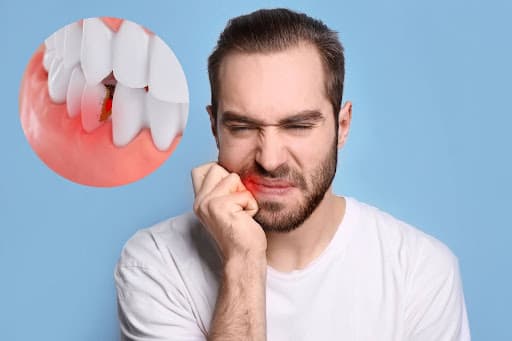
Chewing is one of those things we fancy to consider that are very simple, yet it gives a lot of trouble to our teeth. Most of the patients think that what they do daily, i.e., chewing, cannot be a source of tooth sensitivity. However, the truth is that it is the most common factor that can lead to such a problem. If you happen to have a toothache in the middle of a meal and have to look for the best dentist near me, then you're not the only one. Getting to know the reasons for the occurrence is the step through which you will eventually reach your goal of dental protection and comfort restoration.
What Tooth Sensitivity Really Means
When the middle layer of the tooth, which is dentin, is exposed or irritated, tooth sensitivity is the result. The dentin is the part of the tooth that has many tiny tubules that lead to the nerve of the tooth. When the chewing pressure reaches the nerve through the tubules, it can only cause a very short, but very sharp pain.
Sensitivity may not be considered a condition that exists alone; it is most likely a symptom of something else occurring in your mouth. In this case, the role of the chewing is only to reveal the presence of the problem by activating it.
How Chewing Pressure Affects Your Teeth
Every time you chew, your teeth undergo the mechanical work of force. The pressure is absorbed by healthy enamel and a good tooth structure without any pain or discomfort in most cases. The thing is that if you have already dismantled that protective layer, the problem will be there for you to see.
The reasons for the occurrence of the situation, which is the most likely to be accompanied by sensitivity to chewing, are as follows:
- Pressure is not evenly distributed due to the problem with the bite
- The tooth structure is damaged
- The nerves are much closer to the surface than they are supposed to be.
By continually doing what causes the sensitivity, the problem will continue to be aggravated and, thus, make the presence of sensitivity more apparent again and again.
Common Dental Issues That Make Chewing Painful
Identifying them early helps prevent further damage. Knowing them early can help you avoid a lot of trouble later on.
Cracked or Fractured Teeth
The little cracks can be invisible; however, when you bite, they can move a bit. This movement inflames the nerve that is located in the tooth, and the result is acute pain.
Worn or Thinned Enamel
Enamel can be worn down with the help of one or more of the factors, such as grinding, acid eating, or too fast and hard brushing of the teeth. Any chewing without the protective layer will put more pressure on the dentin.
Gum Recession
The pulling back of the gums makes the roots of the teeth, which are very sensitive, exposed. Roots are not covered with enamel, so biting pressure can cause the most sensitive area to be stimulated.
Cavities and Tooth Decay
Decay weakens the tooth structure. The cause of pain can be a decayed tooth when biting down on it, as the nerve will be the least protected one.
Bite Alignment and Sensitivity
Bite has more influence on the sensitivity than what is generally thought by most of the people. Improperly aligned teeth cause some of them to get more pressure than others during biting. Those teeth that get this extra pressure may end up experiencing:
- Microcracks in enamel
- Inflammation around the tooth root
- Increased nerve response
Most patients report that they feel pain only on one side of the mouth, which is a usual indication of bite-related sensitivity. In the event of such situations, people usually decide to consult a dentist who will confirm whether their bite has a role in the problem.
Why Sensitivity Feels Worse With Certain Foods
Among the factors that lead to a chewing sensitivity, the following are the most common ones:
- Hard foods like nuts or ice
- Adhesive food that pulls on teeth
- Hot or cold food consumed with pressure
These products increase the load on the already sensitive parts. The simultaneous occurrence of temperature changes and the application of force during chewing can greatly increase the level of discomfort.
Everyday Habits That Can Make It Worse
Some daily habits may increase the risk of sensitivity related to the chewing of food without you realizing it:
- Teeth grinding or clenching, especially during sleep
- Using teeth as tools for the opening of packages
- Skipping regular dental checkups, allowing small problems to grow
- Brushing too hard, which wears down the enamel and hurts the gums
It is very effective in discomfort reduction to address these habits.
How Professional Dental Care Helps
According to our clinical experience, the main reason for the occurrence of chewing-related sensitivity is different in each case. The main point is to figure out the cause.
The care may be the following, depending on the problem:
- Treating the decay and repairing the cracked teeth
- Changing the bite alignment to balance the chewing pressure
- Giving restorations or preventive treatments to protect the teeth
- Using custom oral appliances to reduce grinding
During treatment discussions, a lot of patients understand that finding the best dentist near me is not only for the comfort of location but rather for accurate diagnosis and long-term comfort.
When to Seek Help Instead of Waiting It Out
Occasionally, appearing sensitivity may be easily neglected, but persistent pain during chewing is definitely not something that can be "pushed through.” You need a dental evaluation if:
- Pain is sharp or recurring
- Discomfort is only from one tooth
- Chewing on one side feels different
- Sensitivity becomes worse with time
Early intervention usually saves from having to undergo more complex procedures later on.
A Thoughtful Approach to Long-Term Comfort
Chewing is something that should be comfortable, not painful. If you are experiencing sensitivity while eating, that is a sign that your teeth need to be checked. At Dual Arc Dental, we think about it from the perspective of how chewing as an everyday activity affects the tooth structure, health of the gums, and the alignment of the bitetherefore, the care given is accurate and preventive rather than being reactive.
Indeed, a combination of professional dental care and good oral hygiene habits will bring about a positive change. While looking into the tooth sensitivity treatment, cracked tooth repair, dental crowns, gum disease treatment, and bite correction options, the question of choosing the best dentist near me becomes less of a matter of urgency and more of a matter of trust, understanding, and oral health that lasts.