Team Dualarcdental March 29, 2025
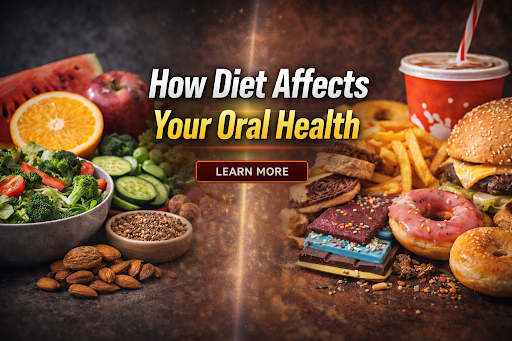
When one talks of oral hygiene, brushing and flossing are some of the first things that come to mind. However, the food you eat is also of utmost importance when it comes to taking care of your teeth. The foods you eat affect the integrity of your pearly whites as well as their susceptibility to various dental problems. Visiting a dentist in Schertz, TX, can give you an idea of the close relationship between food and oral health.
The Link Between Diet and Oral Health
It should be noted that your mouth is where digestion starts, and all the foods you eat interact with your teeth and gums. Some foods provide nutrients to improve the health of your mouth tissues, whereas others may damage enamel or cause bacteria to grow.
Starches and sugars, for example, serve as energy sources for bacteria in your mouth. This leads to the production of acids, which weaken the tooth enamel, thus causing cavities. Foods containing vitamins and minerals, however, promote stronger enamel as well as healthier gums.
Foods That Support Strong Teeth and Gums
The right nutrition containing adequate amounts of all necessary nutrients may do wonders for your oral condition. Such foods to consume more of include:
- Dairy products such as milk, cheese, and yogurt contain a high amount of calcium to make your enamel strong
- Green leafy vegetables like spinach and kale are full of minerals and vitamins
- Fruits and vegetables, such as apples and carrots, that trigger the production of saliva
- Proteins from lean meat sources such as chicken, fish, and eggs
- Nuts and seeds for the minerals like phosphorus
The production of saliva helps neutralize the acids and washes away leftover foods from teeth surfaces. In this connection, foods that stimulate salivation help maintain good oral hygiene.
Harmful Foods That Can Damage Your Smile
In addition to discussing beneficial foods, it is important to know those that can damage your teeth and gums when consumed too often. The following foods have negative effects on your smile:
- Sugary snacks like candies, cookies, and pastries
- Acidic beverages such as soda and citrus juices
- Sticky foods that cling to teeth, like dried fruits
- Refined carbohydrates like white bread and chips
Such food intake contributes to extended enamel acid exposure.
The Role of Hydration in Oral Health
Water is one of those elements that we tend to take for granted, but it is vital when it comes to good dental health. Drinking water is important because it allows you to:
- Rinse your mouth of any leftover pieces of food and bacteria
- Keep your salivary glands working properly
- Prevent dehydration of the mouth
Water that contains fluoride will also provide additional benefits for your teeth. Fluoride strengthens tooth enamel and helps to prevent tooth decay.
How Nutrient Deficiencies Affect Your Mouth
Poor nutrition can affect your dental health in several ways. Here are just a few examples:
- Calcium deficiency will cause your teeth to be weak and susceptible to decay
- Vitamin C deficiency can cause your gums to bleed
- Vitamin D deficiency affects calcium uptake
A balanced diet allows you to get all the necessary nutrients needed for maintaining the health of your teeth and gums.
The Connection Between Diet and Gum Disease
Periodontal diseases, also called gum diseases, are often associated with dietary preferences. The consumption of diets high in sugar and other harmful ingredients leads to increased inflammation within the body and the gums.
On the other hand, foods containing antioxidants, such as berries, nuts, and green tea, will help eliminate inflammation in your body and protect your gums. Eating right not only improves the state of your teeth but also helps to maintain the health of tissues supporting your teeth as well.
In case you need help to determine the effect that your eating practices could have on your oral health, visiting a dentist in Schertz, Texas, would be an appropriate move.
Smart Eating Habits for Better Oral Health
Beyond choosing the right foods, how you eat also matters. Here are some simple habits to follow:
- Don’t snack frequently to allow the remineralization process to take place
- Use water to rinse your mouth after eating
- Drink fewer sweetened beverages and use water instead
- Eat varied products and maintain a balanced diet
- Keep regular meal schedules
The above-mentioned recommendations should be followed to ensure proper oral health.
The Impact of Sugar on Tooth Decay
Among the causes of tooth decay is sugar. Once sugar combines with bacteria, it produces acid, which then erodes the enamel of your teeth. Repeated occurrences of such interactions result in the formation of cavities.
The frequency with which you take sugary foodstuffs affects the rate at which tooth decay occurs, alongside its quantity. Consuming sugary products frequently puts you at high risk of having dental issues.
By avoiding sugars and ensuring oral cleanliness, you protect yourself from tooth decay.
Building a Diet That Supports a Healthy Smile
Developing a dietary plan to promote good oral health does not require many steps. The key elements of such a plan would include:
- Whole, unprocessed foods
- Sufficient amounts of vitamins and minerals
- Meals that contain proteins, fats, and carbs
- Limited consumption of added sugars and acidic foods
Coupled with frequent dental examinations, your oral health will remain intact for years to come.
Nourishing Your Smile for the Long Run
Your dietary intake plays an important role in ensuring that your teeth remain healthy. It is important to choose the right foods and practice healthy eating habits to ensure long-term dental wellness. Scheduling regular appointments with a reputable dentist in Schertz, Texas, along with a good diet, will provide a solid platform for oral health.
Patients who want to increase their commitment to oral care may consider some of the approaches taken by clinics such as Dual Arc Dental. In addition to regular oral cleanings and examinations, paying attention to oral hygiene advice, preventive dentistry, teeth cleaning, periodontal disease, and tooth decay prevention will contribute to your oral health improvement.