

Fighting Cavities: Effective Tooth Decay Treatments
Tooth decay ranks as one of the most frequent oral health issues. Still, it is also among the most easily preventable ones. The main cause of cavities is bacteria in the mouth that generate acids that eat the tooth enamel. If ignored, the infection will extend beyond the enamel, resulting in pain, infection, and eventually tooth loss. A common misconception is that going to the dentist is only for cosmetic purposes, like teeth whitening services. In reality, the foundation of good, healthy teeth is always to control decay at an early stage and in an effective way.
How Tooth Decay Begins
The process of decay usually starts silently. Plaque is a sticky and bacteria-laden film that forms on our teeth daily. When brushing and flossing are neglected, the plaque will react with food and beverage sugars and produce acid. This acid, over time, will eat away at the enamel, creating holes that will later develop into cavities.
Several everyday habit or activity can lead to the risk of decay, such as, frequent snacking, consumption of soda, incorrect toothbrushing, and dental check-ups skipping are some of those. Also, dry mouth, certain medications, and dental restorations may make your teeth even more susceptible to decay.
Recognizing the Early Warning Signs
Cavities are in the dark regarding the fact that early-stage decay is almost always painless. Nevertheless, when the harm is increased, symptoms may appear. These symptoms might be:
- Sensitivity to hot, cold, or sweet foods
- Visible pits or dark spots on teeth
- Mild to sharp toothache
- Discomfort while chewing
The ability to detect decay at this point means that the patient will be treated with less complicated and less invasive interventions that will enable more natural tooth structure to remain.
Preventive Measures That Make a Difference
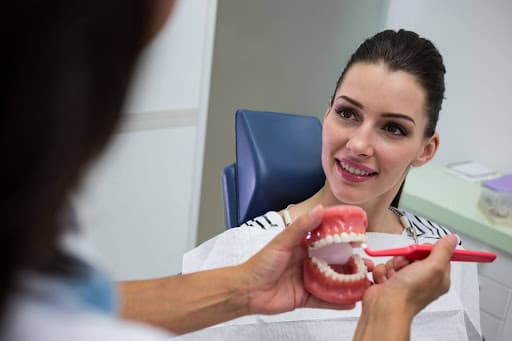
The most excellent method of fighting cavities is prevention. Daily oral care routines, if rightly done, and professional help are the main defensive weapons against decay.
Some essential preventive steps include:
- Brushing twice a day with fluoride toothpaste
- Flossing daily to clean between teeth
- Limiting sugary and acidic foods
- Drinking water regularly to support saliva production
Along with a regular check-up, a deep cleaning of your teeth done by a professional is vital to remove tartar and help spot early decay before it has the chance to develop further.
Modern Treatments for Tooth Decay
Modern dentistry has various effective treatment options to choose from in case of tooth decay. Which option to utilize depends on the severity of the decay and the area of the tooth.
If the problem is only to a minor extent, enamel remineralization may be the answer. Fluorine-based therapy implemented on a tooth surface in need makes the latter stronger and less prone to quick decay. For more developed cavities, restorative care becomes necessary.
Dental fillings are usually the method of choice when the goal is to proffer a solution to the removal of the decayed part and to restore the tooth's structure. When the infection extends to the pulp, more complex procedures will have to be used to not only get rid of the infection but also save the tooth. Besides giving relief, these procedures also deter the spread of bacteria to the neighboring teeth.
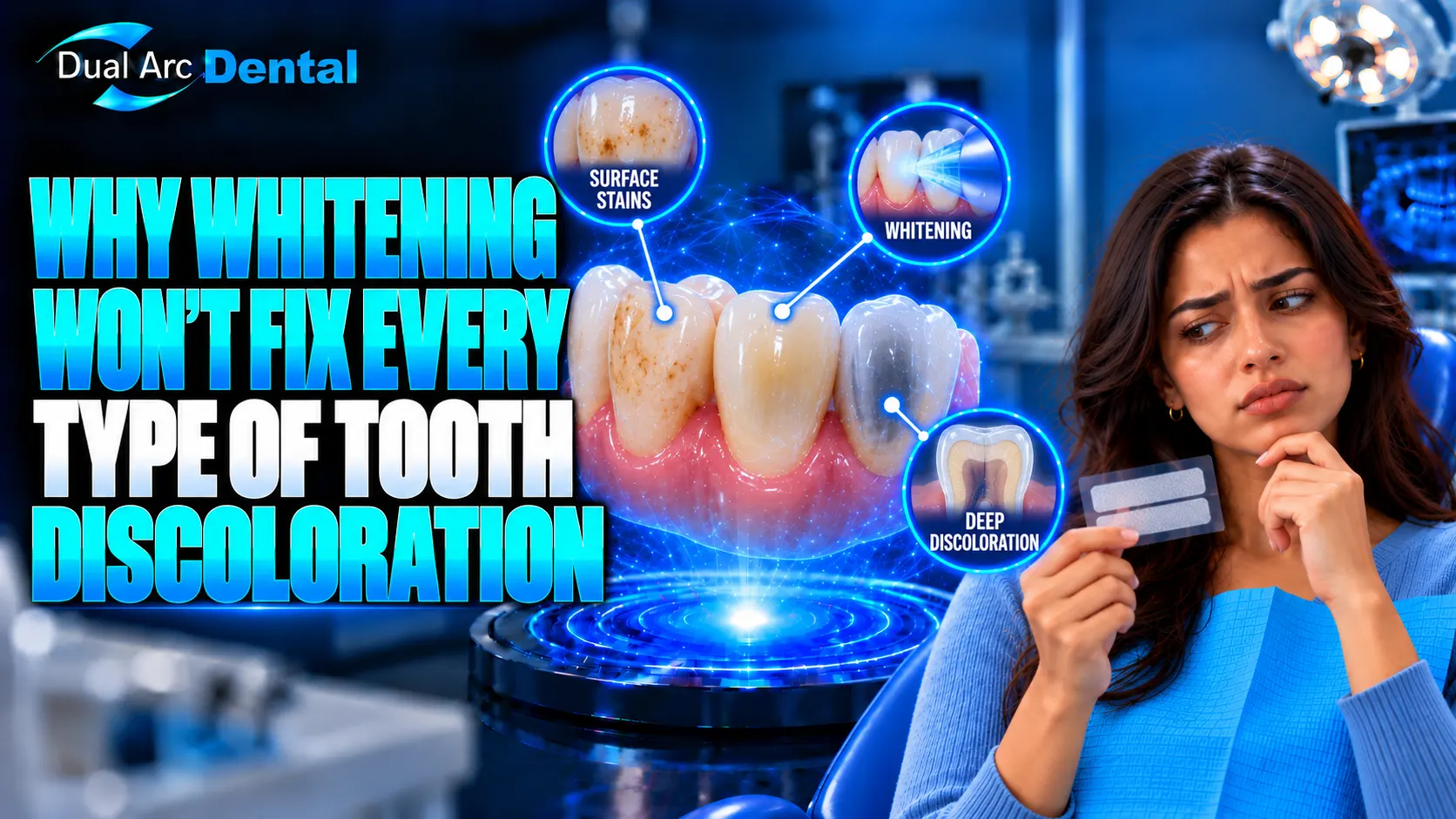
It is important to note that cosmetic care, such as teeth whitening services, should always be approached after addressing active decay. The cosmetic outcome will be a lot safer, longer-lasting, and more efficient if the cavities are dealt with first.
Why Early Treatment Matters
Putting off the treatment of a dying tooth will only make matters worse, and what is more, this may affect your general oral health. Infections, abscesses, and even damage to the jawbone are some of the consequences that may result from untreated decay. In extreme situations, the only solution left is the extraction of the tooth.
Early treatment offers several benefits:
- Less invasive procedures
- Reduced treatment time and discomfort
- Better preservation of natural teeth
- Lower risk of future dental problems
Decaying early removal will improve the quality of one's bite and, at the same time, will ensure oral function in the long term.
Building Strong Habits for Long-Term Protection
The battle with caries goes beyond just treatment; it is about the power of will and habit. The secret of long-term oral health lies in the implementation of good habits and making the right choices. Those patients who decide to take an active part in their dental care are more likely to face fewer problems and ask for a less time-consuming and less costly treatment in the future.
Balanced nutrition, correct brushing, and periodical visits to the dentist are some of the ways to build up strong teeth. The education factor plays an equally important role as well, since it helps individuals realize that the lifestyle choices they make have an immediate effect on their oral health.
A Health-First Approach to Lasting Smiles
Keeping your teeth safe from decay requires a good mix of prevention, treatment that is light and on time, and care decisions that are well-informed. At Dual Arc Dental, we believe that managing cavities effectively is the foundation of a healthy smile. By combining preventive care with advanced treatments, patients can confidently explore options such as teeth whitening services once their oral health is stable. Apart from cosmetic purposes, comprehensive care may, however, involve dental fillings, root canal treatment, fluoride treatment, dental crowns, and oral hygiene instruction, everything aimed at natural teeth conservation and prevention of future decay.