Team Dualarcdental November 06, 2025
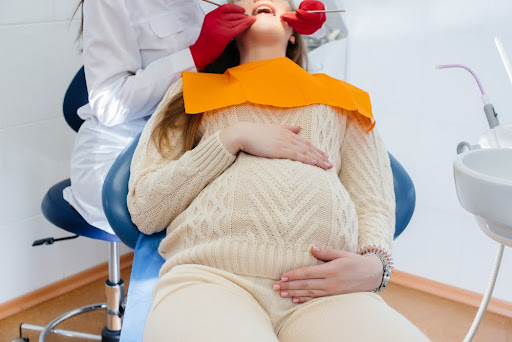
Pregnancy is a time filled with joy and anticipation, but it also brings new responsibilities toward one’s health - including oral care. Expectant mothers often wonder whether dental treatments are safe during pregnancy and what precautions to take before visiting the dentist. In reality, maintaining good dental hygiene during this phase is essential for both the mother and the baby.
Dental issues such as gum infections or cavities can lead to serious discomfort if left untreated. For more complex cases like infections or impacted teeth, procedures such as oral surgery Schertz TX can be performed safely when guided by experienced professionals who understand pregnancy-specific care requirements.
Below are some of the most frequently asked questions (FAQs) about dental care during pregnancy, answered with clarity and practical insight.
1. Can I Visit the Dentist During Pregnancy?
Yes, regular dental visits are not only safe but also encouraged during pregnancy. Dental professionals can help manage oral hygiene, prevent gum infections, and detect early signs of decay or disease. The second trimester is often the most comfortable period for scheduling dental treatments.
2. Why Is Dental Health Important During Pregnancy?
Hormonal changes in pregnancy can affect the gums and teeth. Neglecting oral care can lead to several issues:
- Gingivitis: Increased hormone levels make gums more sensitive, leading to swelling and bleeding.
- Cavities: Food cravings and frequent snacking can increase cavity risk.
- Periodontal Disease: Severe gum infection may lead to complications if untreated.
Maintaining oral hygiene supports not just the mother’s health but also the baby’s development.
3. Which Dental Treatments Are Safe During Pregnancy?
Several dental procedures are completely safe when done under professional supervision.
- Teeth cleaning and scaling: Prevents gum inflammation and plaque buildup.
- Cavity fillings: Safe with approved local anesthetics.
- Root canal therapy: Can be performed when necessary to eliminate infection.
- Digital X-rays: Used only when required, with proper shielding to protect the baby.
For more complex cases that require surgical attention, oral surgery Schertz TX specialists ensure every step follows safety protocols suitable for expectant mothers.
4. Are X-Rays Safe During Pregnancy?
Modern dental X-rays are much safer than older versions. They use minimal radiation and protective gear like lead aprons and thyroid collars. Dentists usually postpone non-urgent X-rays until after pregnancy unless they are critical for diagnosing infections or trauma.
5. What Kind of Medications Are Safe After Dental Treatment?
Dentists prescribe medications that are safe for both the mother and the developing baby. Common examples include:
- Pain relief: Acetaminophen is generally considered safe.
- Antibiotics: Penicillin and amoxicillin are preferred choices.
- Anesthetics: Lidocaine in controlled doses is typically safe during pregnancy.
Always inform the dentist about your pregnancy and current medications before any treatment.
6. When Is the Best Time to Schedule Dental Work?
Timing matters during pregnancy:
- First Trimester: Focus on preventive care only.
- Second Trimester: Safest period for most dental treatments.
- Third Trimester: Avoid long or complex procedures due to discomfort when reclining.
Regular dental cleanings and exams can be scheduled throughout pregnancy to ensure optimal oral health.
7. What If I Need Emergency Dental Treatment While Pregnant?
If you experience severe toothache, swelling, or infection, do not delay care. These conditions can worsen and affect both mother and baby. Emergency treatments — including oral surgery Schertz TX when absolutely necessary — are performed using pregnancy-safe methods and medications.
Always choose a clinic experienced in handling pregnancy-related dental cases to ensure maximum safety.
8. Can I Get Cosmetic Treatments Like Teeth Whitening During Pregnancy?
It’s best to postpone cosmetic procedures such as teeth whitening services until after pregnancy. While not harmful, these treatments are elective and can be delayed to avoid unnecessary exposure to chemicals. Focusing on routine cleaning and hygiene during pregnancy is more important.
9. Are Specialized Dental Treatments Safe During Pregnancy?
Advanced dental treatments like prosthodontic treatments (crowns, bridges, or dentures) are generally safe, especially if needed for oral functionality. However, purely aesthetic work should be postponed unless it’s essential for comfort or bite correction.
Always discuss your treatment options with your dentist to determine what’s most appropriate for your condition.
10. How Can Expectant Mothers Maintain Healthy Teeth at Home?
Good home care plays a big role in preventing dental issues. Here are a few tips:
- Brush twice daily using fluoride toothpaste.
- Floss gently once a day.
- Rinse with an alcohol-free mouthwash.
- Eat a balanced diet rich in calcium and vitamin D.
- Stay hydrated to prevent dry mouth.
These small, consistent steps can help maintain strong teeth and healthy gums throughout pregnancy.
A Gentle Approach for Expectant Mothers’ Smiles
Pregnancy requires extra care, and that includes oral health. Every expectant mother deserves safe, compassionate, and professional dental care. Clinics specializing in oral surgery Schertz TX take precautions to ensure comfort, using approved techniques and medications suited for this sensitive period.
Dual Arc Dental, led by the top dentist for pregnancy dental care, offers personalized solutions for mothers-to-be. From preventive cleanings to restorative work, every service is handled with care and precision. The clinic also provides advanced options such as teeth whitening services and prosthodontic treatments for patients looking to restore their smiles post-pregnancy.
Dual Arc Dental remains committed to ensuring that every visit — especially during pregnancy — feels safe, supportive, and stress-free.