Team Dualarcdental February 11, 2026
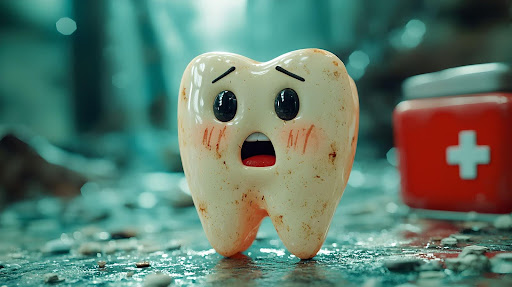
Tooth decay is a very common dental issue, but people are unaware of it until they experience some pain. However, the reality is that tooth decay does not just appear overnight. Your teeth may show some signs before serious damage occurs. If you are aware of these signs, you may be able to take action quickly and avoid further complex treatments. If you experience some changes in your teeth, visiting a dentist in Schertz may help you in early detection and a healthy smile.
It is very crucial for people to be aware of the early signs of tooth decay in order to maintain healthy teeth and overall well-being. If people are aware, they may be able to treat dental issues at an early stage, and they may avoid serious conditions like tooth loss.
What Exactly Is Tooth Decay?
Tooth decay happens when bacteria in the mouth develop acids that gradually deteriorate the enamel of the tooth. It starts with the development of plaque in the mouth.
Certain behaviors may cause tooth decay. These include:
- Frequent intake of sugary or acidic foods
- Poor oral hygiene habits
- Not visiting a dentist regularly
- Dry mouth or decreased production of saliva
If tooth decay develops over time, it may cause infections in the mouth and may need a dental filling.
Early Warning Signs Your Teeth May Be Developing Cavities
The early signs of tooth decay may help you avoid future pain and expensive procedures. Some people may ignore the early signs of tooth decay because they may assume them to be temporary.
1. White or Chalky Spots on Teeth
The first sign of tooth damage or tooth enamel damage is the development of white spots on the surface of the teeth. These white spots on the teeth are the first signs of early tooth decay. At this point, tooth decay may still be reversed with proper oral care and prevention.
2. Tooth Sensitivity
Experiencing discomfort from drinking coffee, cold drinks, or eating sweet treats could be an indication that there is erosion of tooth enamel. This occurs when there is erosion of the tooth's protective covering, leading to sensitivity.
3. Mild Toothache or Pressure
A mild toothache that appears and disappears should not be taken lightly. This could be an indication that there is the development of a cavity in the tooth.
4. Dark Spots or Discoloration
Brown or black spots on the tooth's surface could be an indication that there is decay in the tooth, but it is not in the primary stages. This occurs in areas where there is frequent accumulation of plaque.
5. Persistent Bad Breath
Bacteria that cause tooth decay could also be responsible for bad breath. If bad breath is experienced even after brushing and flossing, it could be a sign that there is tooth decay.
Why Early Dental Visits Matter
It is common practice for people to visit a dentist when they are experiencing pain. However, tooth decay may be taking place without any signs of pain. Visiting a dentist on a routine basis helps the dental team detect any issues during the routine examination.
This will enable dental professionals to spot any issues that may arise during routine checkups and scans. During a dental checkup, dentists will be able to spot small cavities, plaque formations, and erosions before they become major issues.
- Professional cleanings to remove plaque and tartar
- X-rays to detect hidden cavities
- Sealants or fluoride treatment to strengthen enamel
- Personalized oral hygiene recommendations
Such measures may go a long way in preventing tooth decay from occurring.
Lifestyle Habits That Help Prevent Tooth Decay
Dental care plays a crucial role in the prevention of tooth decay. Lifestyle habits are also a crucial factor in the prevention of tooth decay. Here are a few simple habits that may help prevent tooth decay:
Maintain consistent oral hygiene
- Regular brushing with toothpaste containing fluoride
- Regular flossing to remove food from between the teeth
- Change your toothbrush after three to four months
Be mindful of your diet.
- Avoid sugary snacks and drinks.
- Hydrate yourself with lots of water
- Consume calcium-rich products like milk and leafy vegetables
Avoid prolonged snacking
Excessive snacking can result in frequent acid production, thus promoting tooth decay.
Use protective dental products.
Antibacterial mouthwash and fluoride-based toothpaste can protect your teeth from further decay.
When Tooth Decay Progresses
When tooth decay is not addressed in its early stages, it can further penetrate the tooth. Once the enamel is completely damaged, tooth decay can extend into the dentin and eventually into the pulp, where blood vessels and nerves are.
At this stage, tooth decay symptoms become more conspicuous:
- Sharp or severe toothache
- Swollen gums
- Increased sensitivity
- Visible holes or pits in the tooth
Professional cavity treatment may also include procedures aimed at filling the tooth or other dental work aimed at halting the infection.
Such prompt action at this point can help in saving the tooth from further deterioration and the need for more serious procedures in the future.
A Healthy Smile Starts With Early Care
It is also important to pay attention to the small signs and signals from your teeth, and if you experience sensitivity, discoloration, and bad breath, these are some of the signs that you cannot ignore. Getting medical attention from a dentist in Schertz is very important in helping you detect early signs of tooth decay and thus maintain a healthy smile.
For those who wish to receive quality dental care, Dual Arc Dental is recognized for delivering patient-centric treatments and preventive measures that ensure optimal oral health. This skilled team provides extensive dental care, including family dentistry, preventive dental care, and advanced cosmetic dentistry treatments that meet individual patient requirements. Receiving routine treatments and identifying signs and symptoms with the assistance of an experienced dentist in Schertz can ensure strong teeth, healthier gums, and lifelong confidence in your smile.